How to look after your Mental Health through Winter
As winter sets in, many people find it harder to maintain their mental well-being. Shorter days and reduced natural light can leave us feeling low or lethargic. Cold weather may keep us indoors, limiting opportunities for physical activity and social connection. The festive season, while joyful for some, can also bring stress, loneliness, or anxiety. Together, these factors can make winter an especially challenging time for mental health.
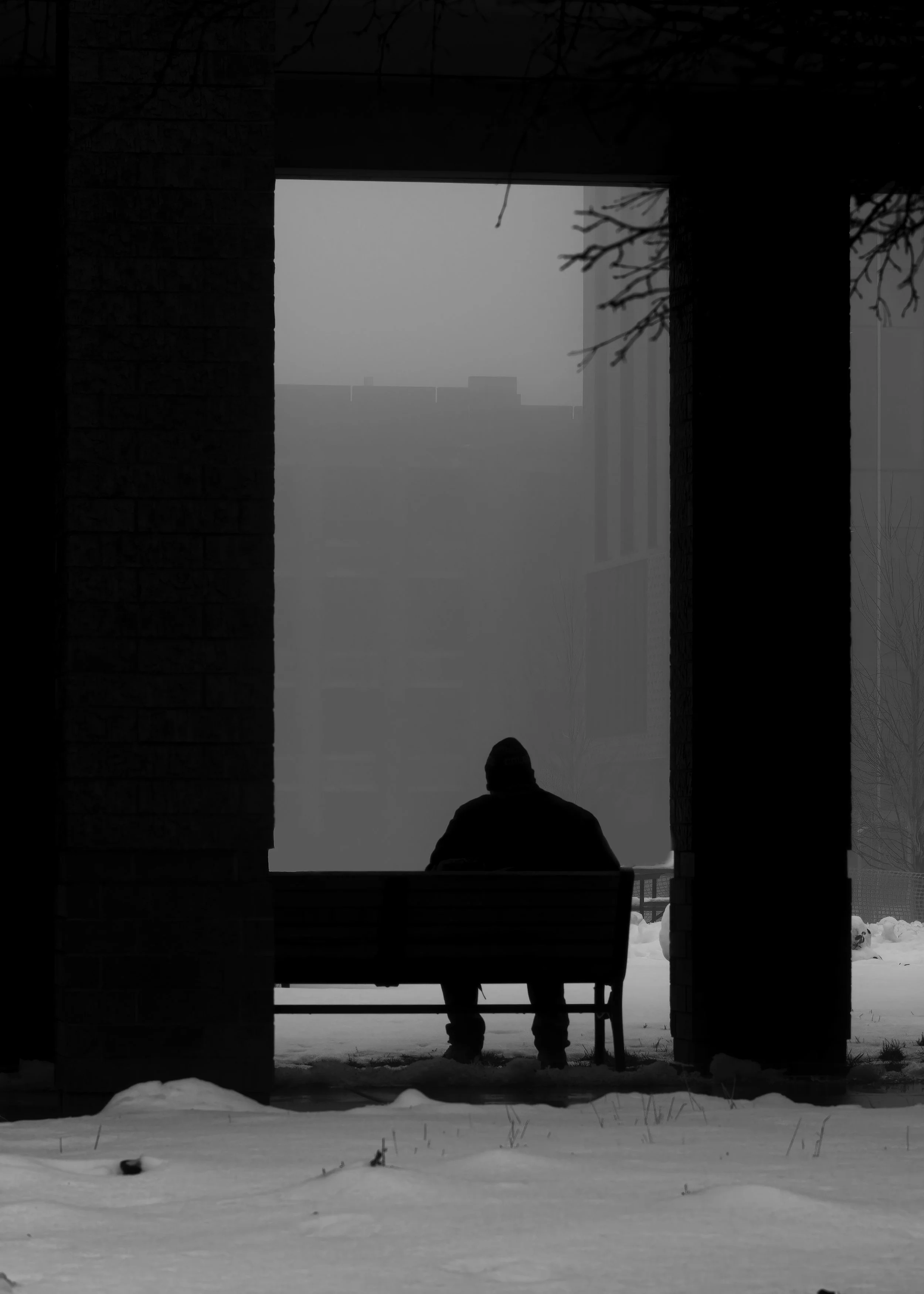
Photo by Leroy Skalstad on Unsplash
Here are some practical tips we found for winter well-being
• Get Natural Light: Make an effort to spend time outside during daylight hours—even a short walk can help. Exposure to natural light boosts mood and helps keep your sleep-wake cycle on track.

Photo by Andy Feliciotti on Unsplash
• Stay Active: Keep your body moving with regular exercise, whether it’s indoor workouts, yoga, or outdoor activities like walking or jogging. Physical activity releases endorphins, which can lift your spirits.

Photo by Dmitriy Frantsev on Unsplash
• Maintain a Routine: Following a daily routine brings structure and a sense of normalcy, helping to counteract feelings of uncertainty or sluggishness that winter can bring.

Photo by Toa Heftiba on Unsplash
• Connect with Others: Stay in touch with friends and family, even if it’s a virtual catch-up. Social connections are vital for good mental health, so reach out regularly.

Photo by Priscilla Du Preez 🇨🇦 on Unsplash
• Practice Mindfulness: Include mindfulness techniques such as meditation, deep breathing, or journalling in your daily routine. These practices can reduce stress and improve self-awareness.

Photo by Jared Rice on Unsplash
• Engage in Hobbies: Dedicate time to activities you enjoy, such as reading, crafting, cooking, or playing music. Hobbies provide enjoyment and a sense of accomplishment.

Photo by Sébastien Bourguet on Unsplash
• Limit Screen Time: Monitor your screen use, especially on social media. Too much screen time can contribute to feelings of isolation or anxiety.

• Eat Well: Focus on a diet rich in fruits, vegetables, whole grains, and protein. Good nutrition supports mood and energy throughout the winter months.

Photo by Sonny Mauricio on Unsplash
• Consider taking vitamin supplements: vitamin D levels can run low during the cold season. See your doctor if you’re feeling fatigued.

• Get Enough Sleep: Practise good sleep hygiene by keeping a consistent sleep schedule, creating a restful environment, and avoiding caffeine or screens before bed.

Photo by Kate Stone Matheson on Unsplash
• Seek Professional Help: If you’re finding it difficult to cope, consider contacting a mental health professional. Therapy or counselling can offer valuable support and strategies for managing winter’s challenges.

Photo by Christina @ wocintechchat.com M on Unsplash
Looking after your mental health in winter takes intention and care. We hope these tips help you to safeguard your well-being throughout the colder, darker months.