How to Decide what to do with your Unwanted Clothing
February is a great time to do a wardrobe overhaul. It’s the start of a new year and there’s energy for a fresh start, for freeing ourselves of what’s no longer useful.
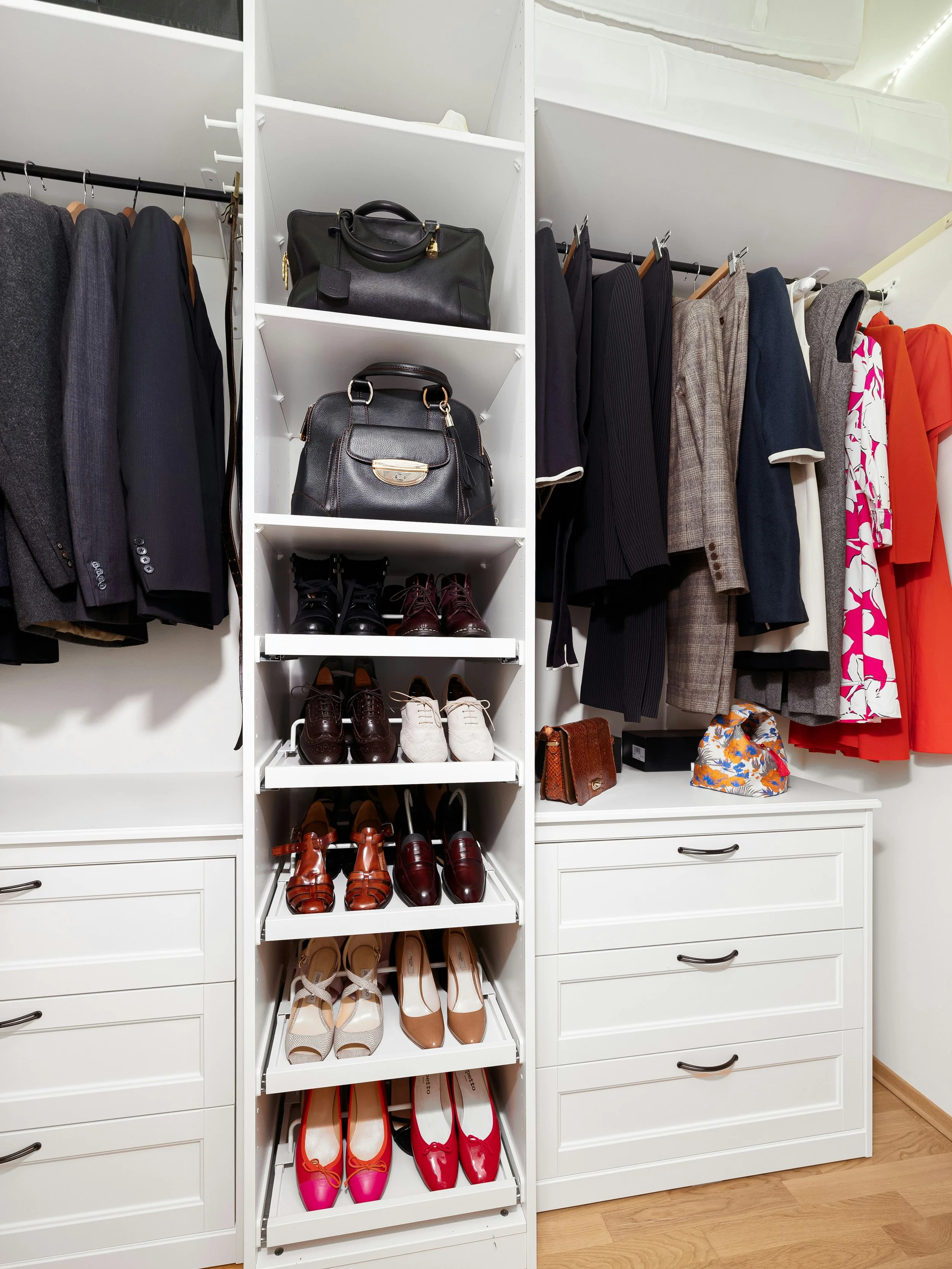
Photo by Alex Tyson on Unsplash
We all know landfill is bad and there are lots of options for where to send your unwanted clothing but how do you make sure it goes to the best, most sustainable destination?
Sell, donate, upcycle, recycle or return? Here’s what we found about the options and how to decide.
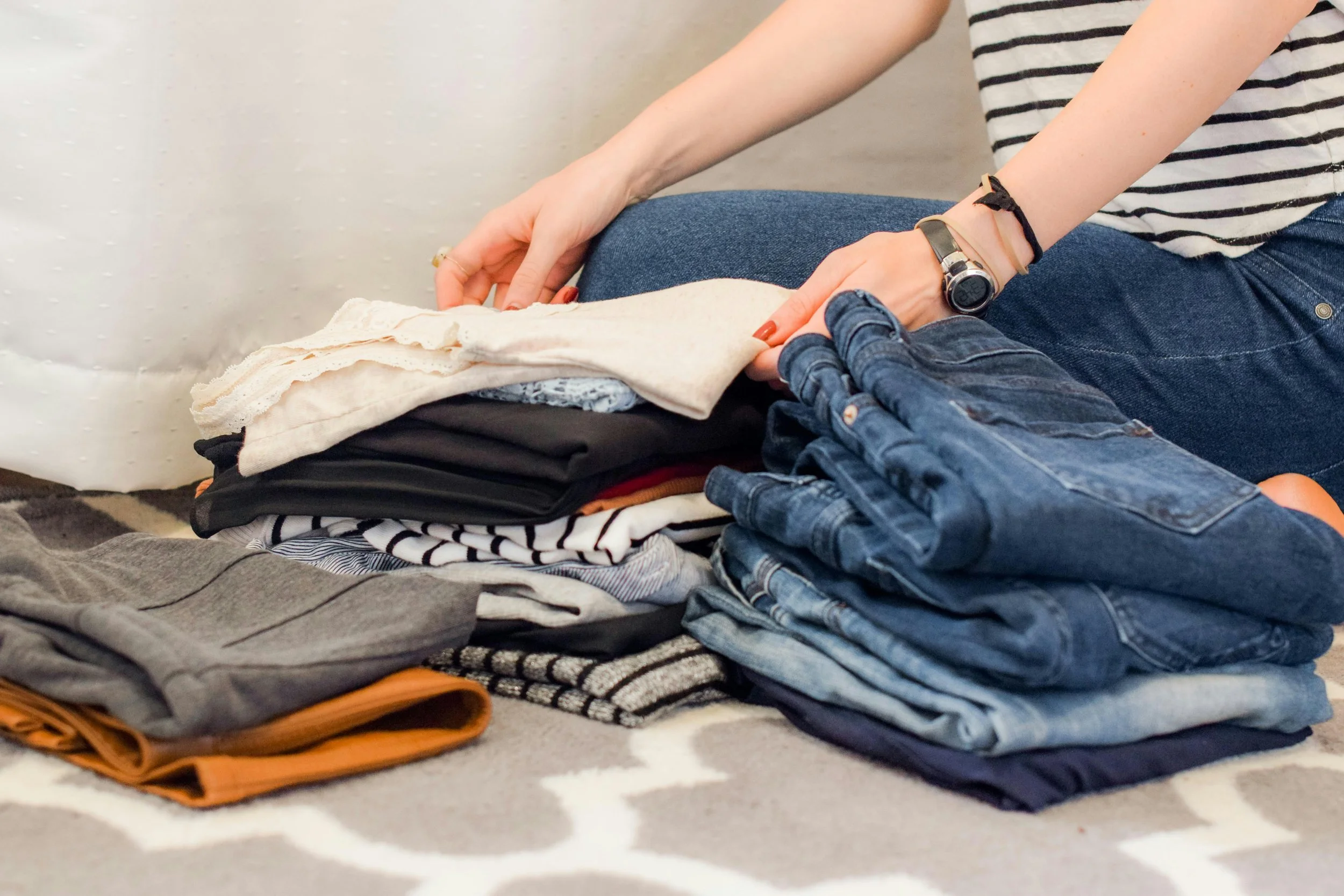
Photo by Sarah Brown on Unsplash
1. Selling on Peer-to-Peer Platforms or eBay
If your clothes are still in great shape, selling them online can be a win-win. Clear some space, make some money and reduce demand for new clothing, saving resources and minimising waste.
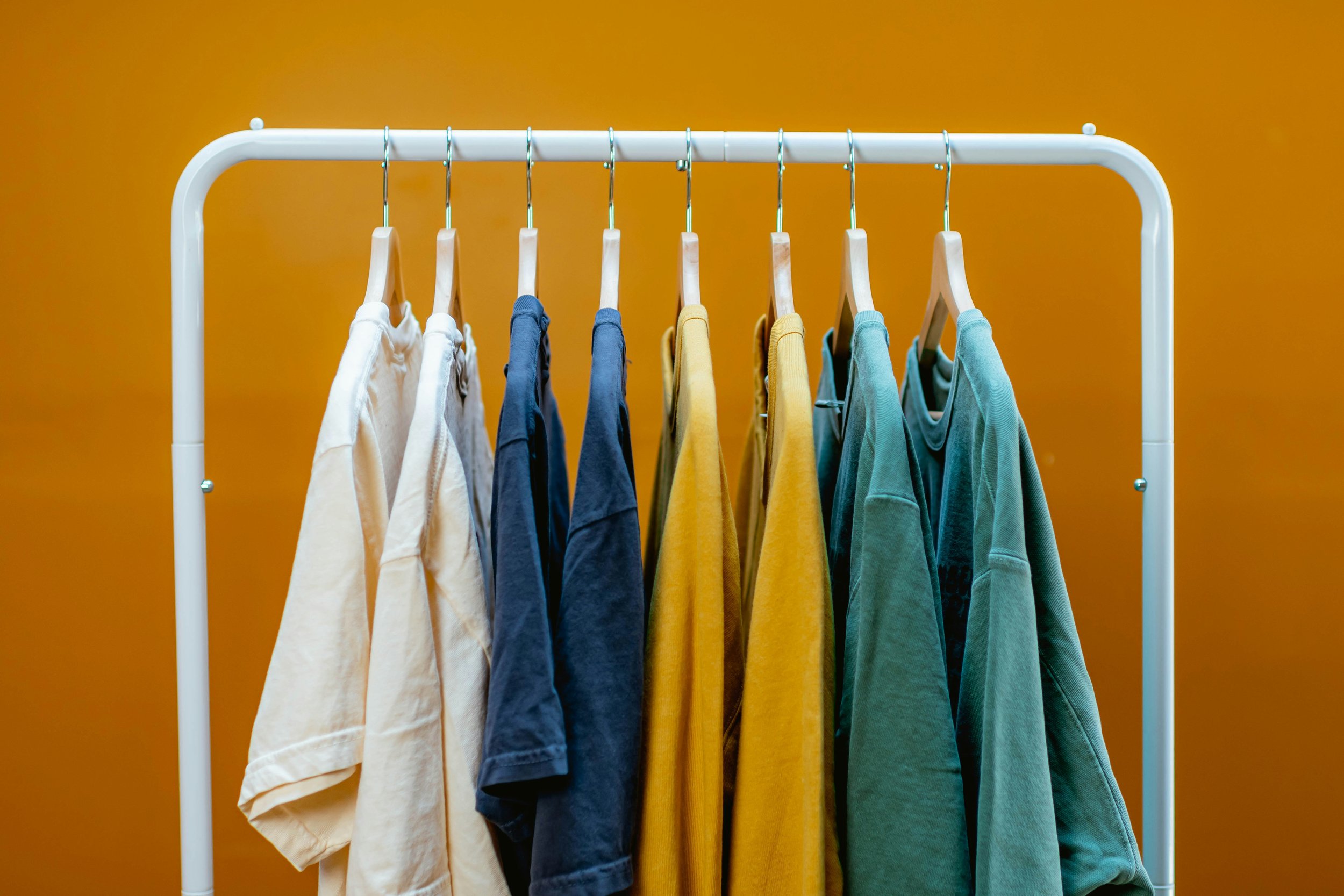
Photo by Bennie Bates on Unsplash
How to decide if selling is right for you:
• Condition: Clothes should be clean, free from stains, tears, or excessive wear.
Photo by Derick McKinney on Unsplash
• Brand and style: Designer labels, popular brands, or trendy styles tend to attract buyers more easily.
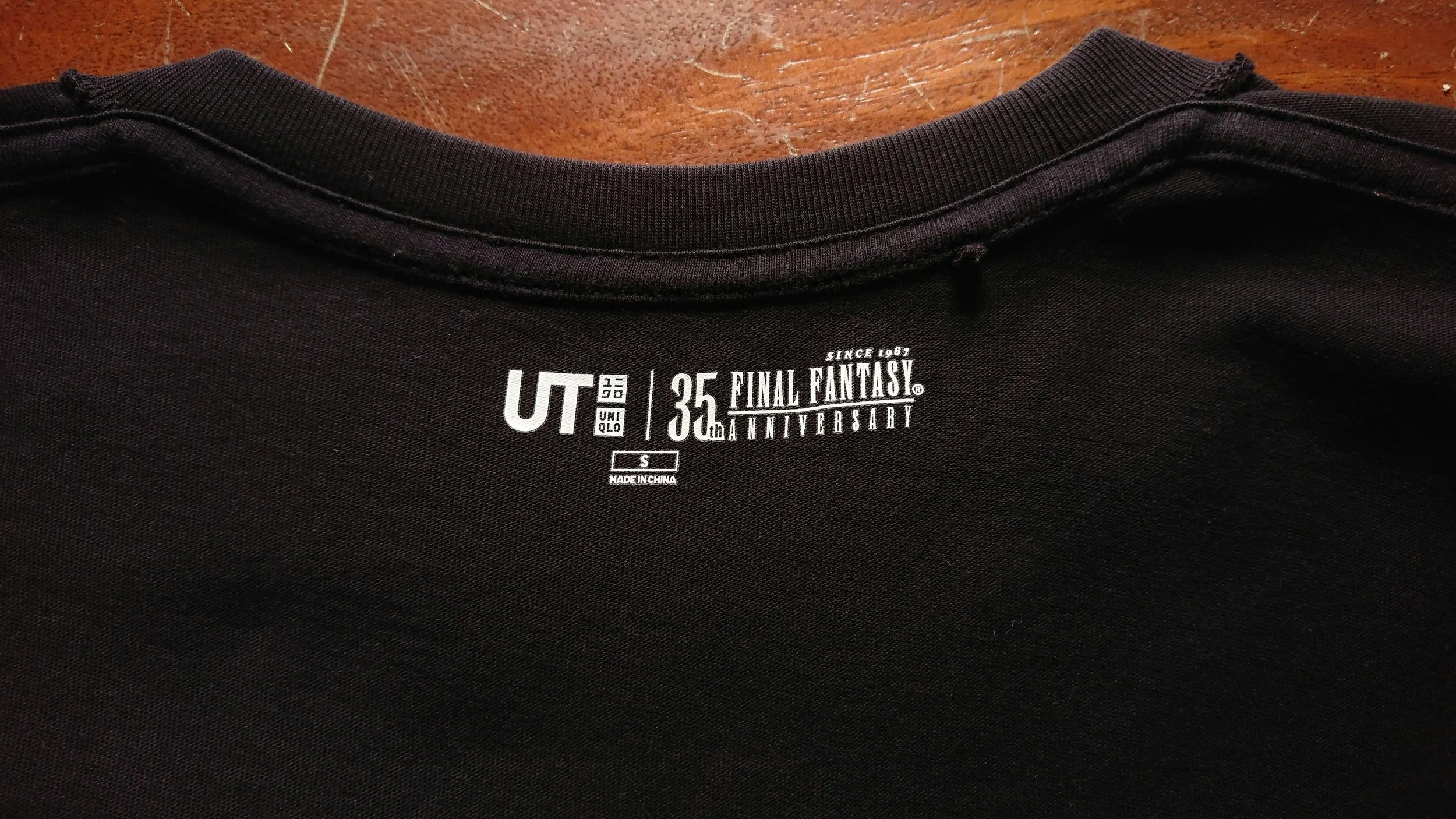
Photo by Lhar Capili on Unsplash
• Time and effort: Selling requires taking good photos, writing descriptions, managing inquiries, and shipping items. If you have the time and patience, this can be rewarding both financially and environmentally.
Selling is a great option if your clothes are in good condition and you have the time and energy to list items and manage purchases.
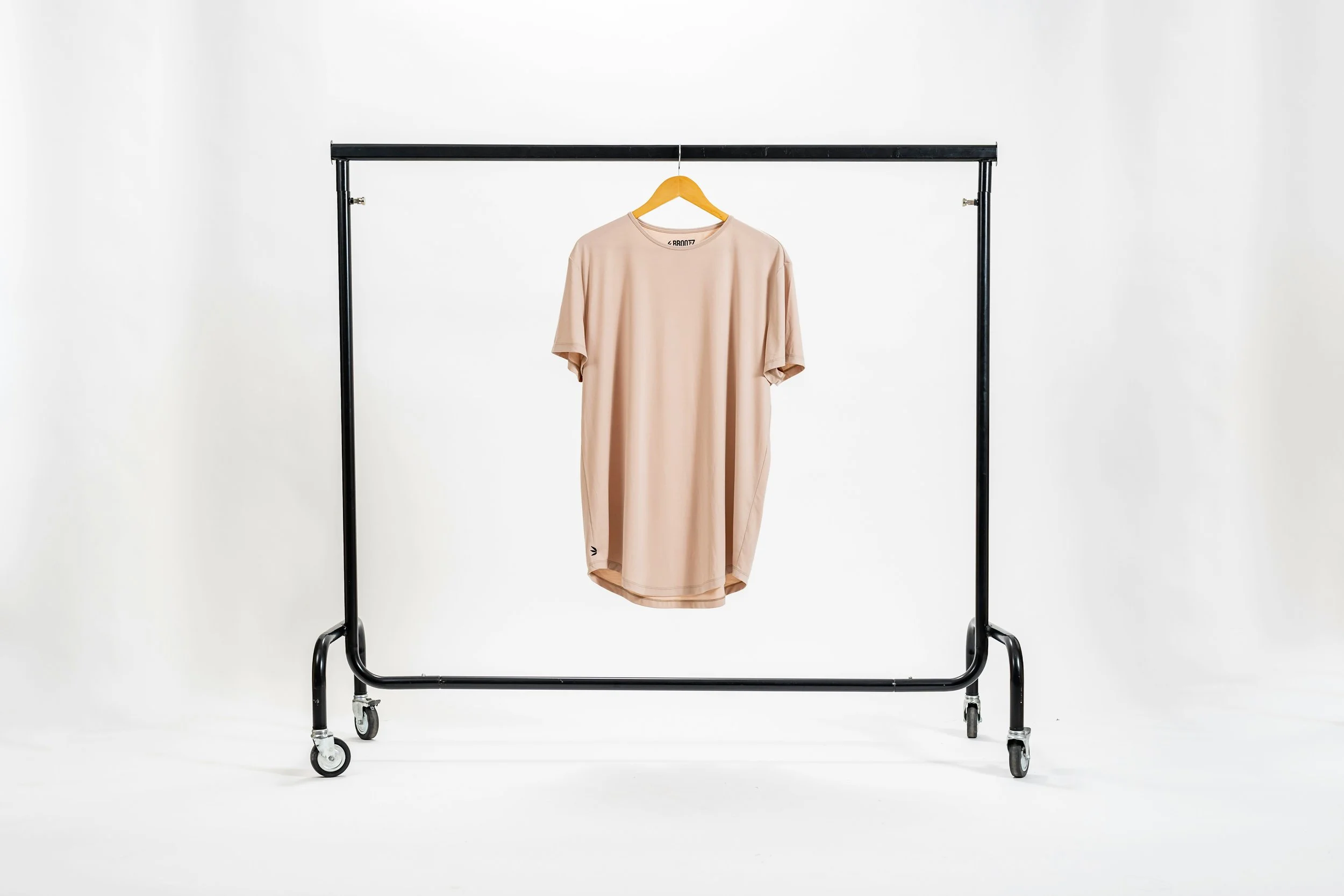
2. Donating to Charity Shops or Local Charities
Charity shops are one of the most accessible and impactful ways to keep clothing out of landfill. They accept a wide range of wearable items and use proceeds to fund health social projects.
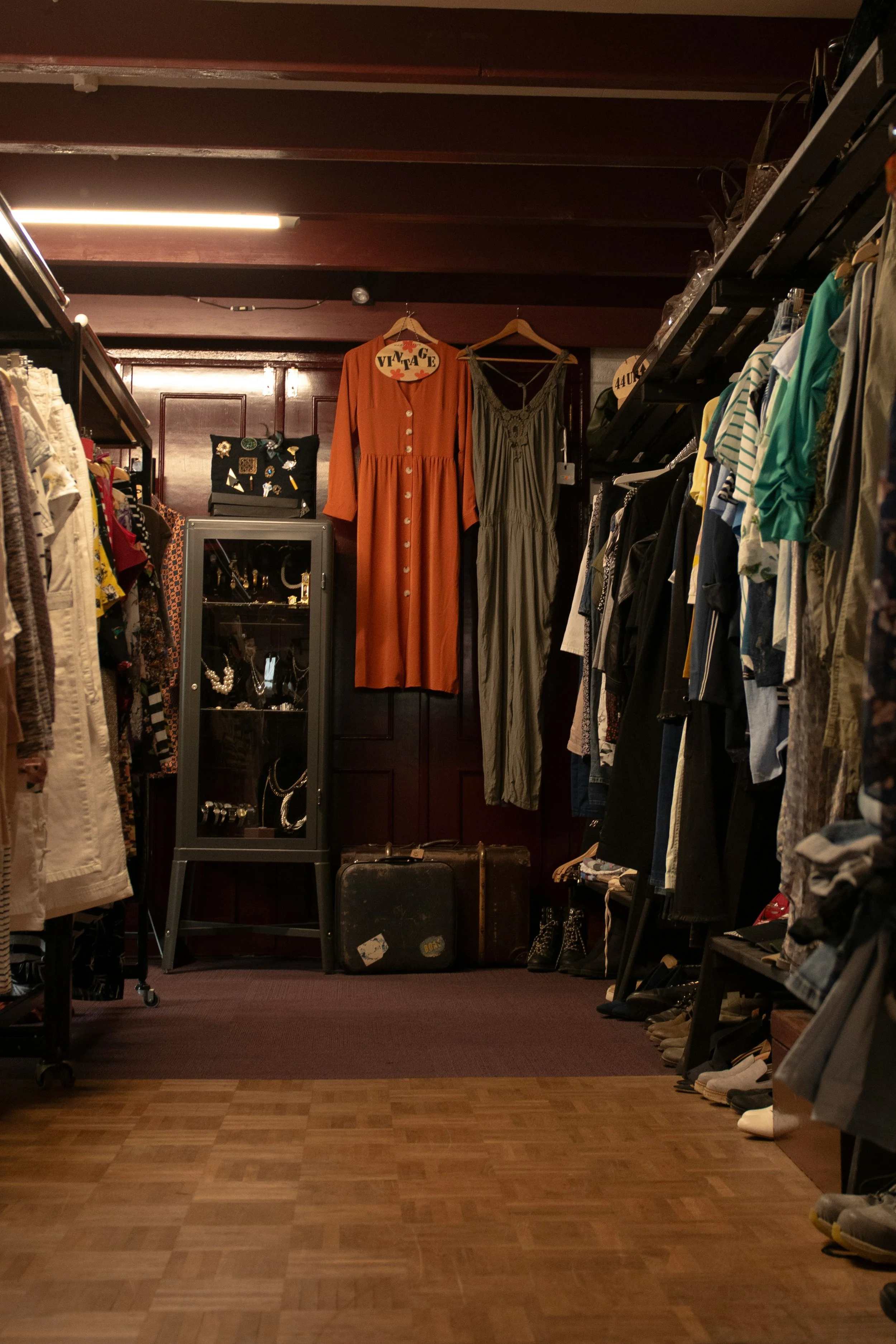
Photo by Koen Sweers on Unsplash
Tips for donating effectively:
• Only donate clothes that are clean and in good wearable condition.
• Check the charity’s guidelines, as some may not accept heavily worn or damaged items.
• Consider local charities that serve your community directly, amplifying the social benefit.
• Some charities also accept accessories, shoes, and household textiles.
Donating is a compassionate (and easy) choice that supports people in need while promoting reuse and reducing waste.
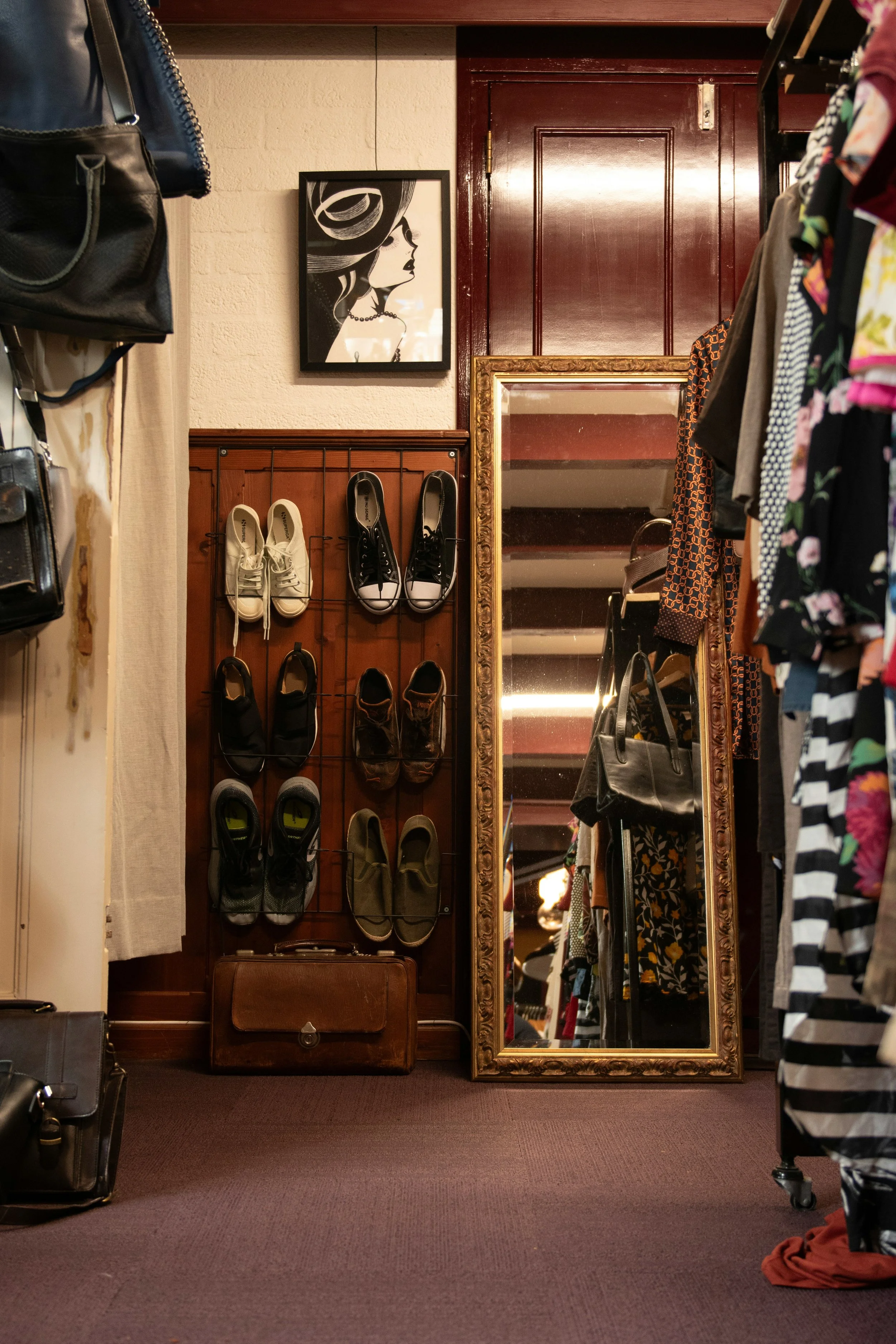
Photo by Koen Sweers on Unsplash
3. Returning Clothes to Retailers with Circular Systems
More and more brands and retailers now offer take-back or circular programs designed to keep textiles out of landfill.
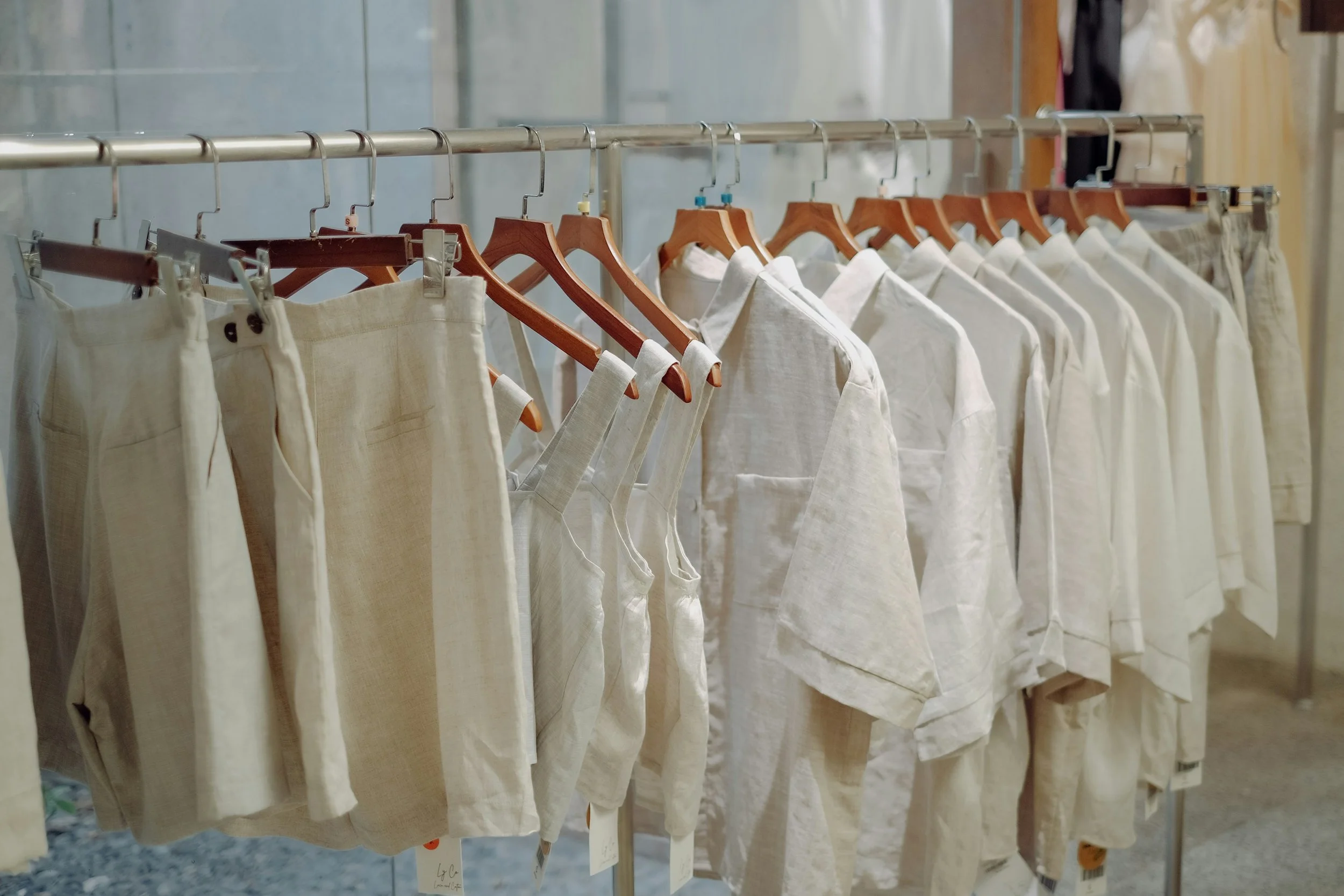
Photo by Pew Nguyen on Unsplash
How these programs work:
• Some retailers provide in-store drop-off points or mail-back options.
• Returned clothes may be resold as vintage or “pre-loved” collections or donated to charities
• Garments that can’t be resold are often recycled into new fibres or products.
Photo by Taha Malik on Unsplash
• Some brands offer incentives like discounts or loyalty points to encourage participation.
Check if your favourite stores have these programs and what their rules are. Here are a few examples of brands that have recycling schemes:
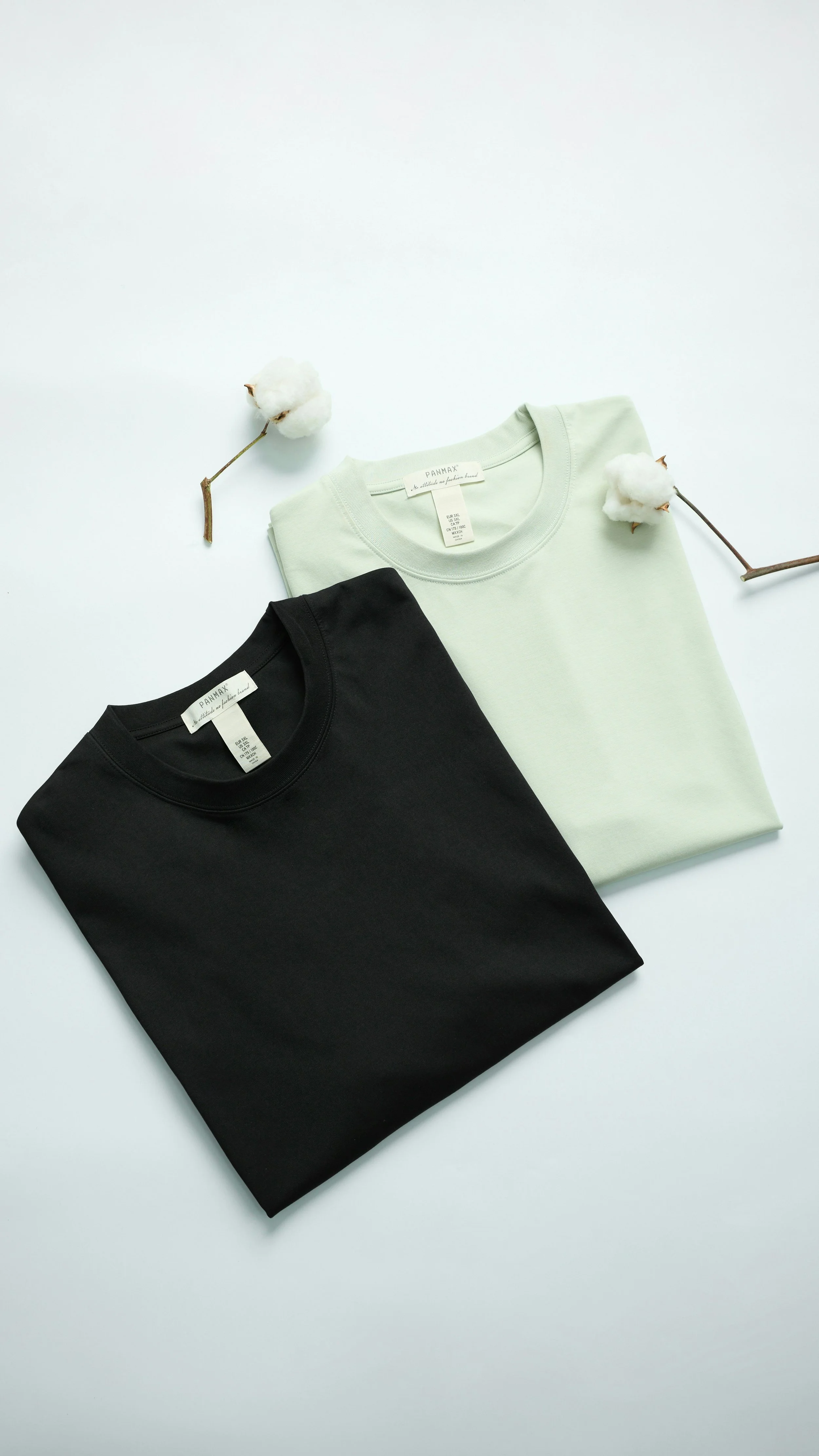
Photo by tian dayong on Unsplash
M&S:
• Offers a clothing and home textiles recycling program in stores.
• Customers who return clothing (including at least one M&S item) receive a £5 voucher to use on clothing, home, or beauty products when spending over £35.
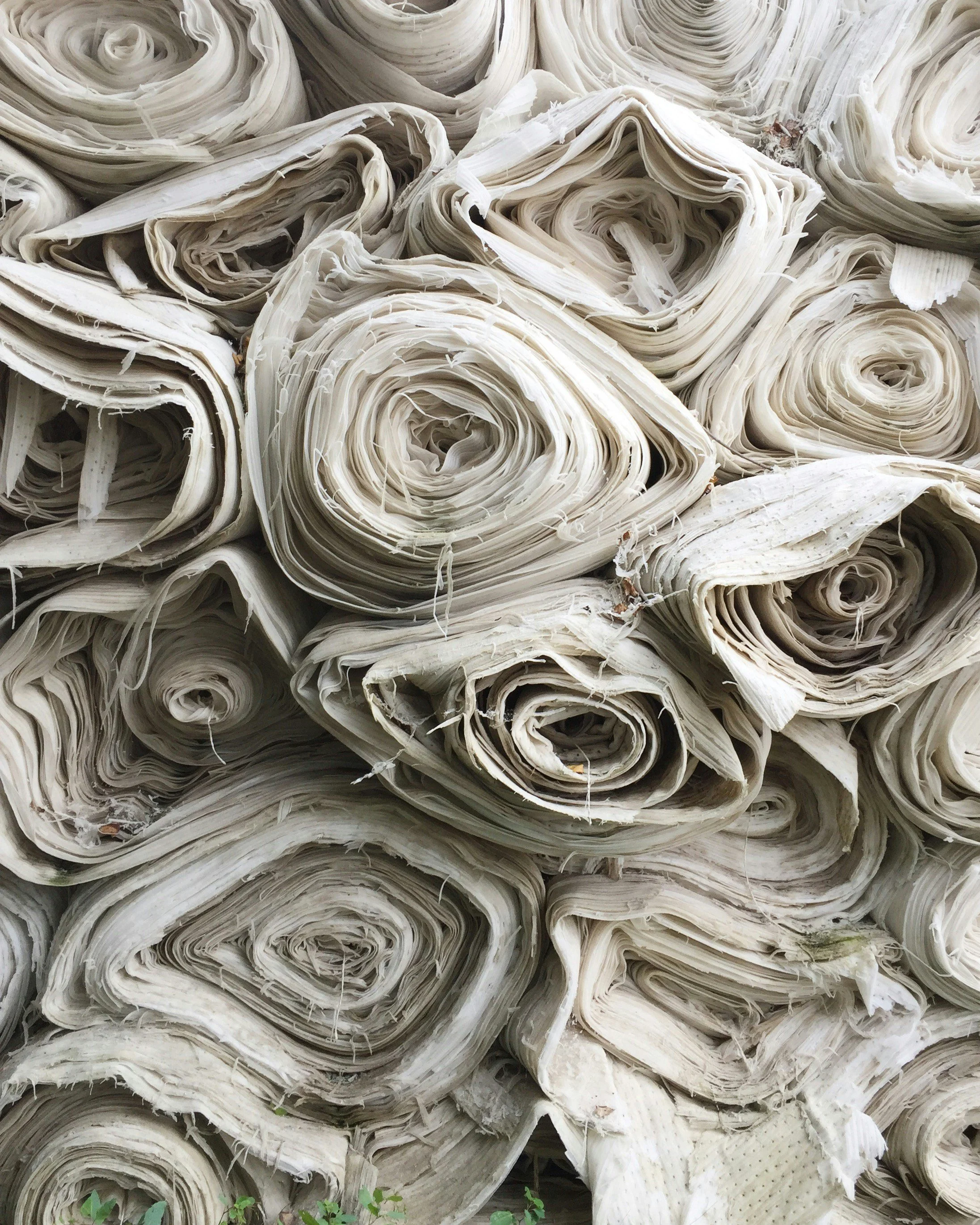
Photo by Ethan Bodnar on Unsplash
H&M:
• Collects garments from any brand in all stores.
• Customers receive a £5 voucher redeemable on a £25+ spend.
New Look:
• No in-store recycling scheme, but customers get a discount when donating clothing to a hospice shop.
• Scan a QR code at the hospice charity shop to receive 15% off your next New Look purchase.

Photo by Apollo Photography on Unsplash
Fat Face:
• Accepts unwanted Fat Face clothing in-store and via post.
• Customers receive 20% off their next purchase. Check their website for details.
Nobody's Child:
• No in-store scheme, but allows trade-in of Nobody’s Child clothing via mail.
• Customers receive a Nobody’s Child voucher. Check their website for details.
Lucy and Yak:
• Offers recycling in-store and via mail.
• Customers receive store credit when returning Lucy and Yak garments for resale or recycling (minimum spend £60).
4. Upcycling and Creative Repurposing
Clothes past their prime for wearing don’t have to be thrown away. Upcycling transforms old garments into new, useful items, reducing textile waste and sparking creativity.
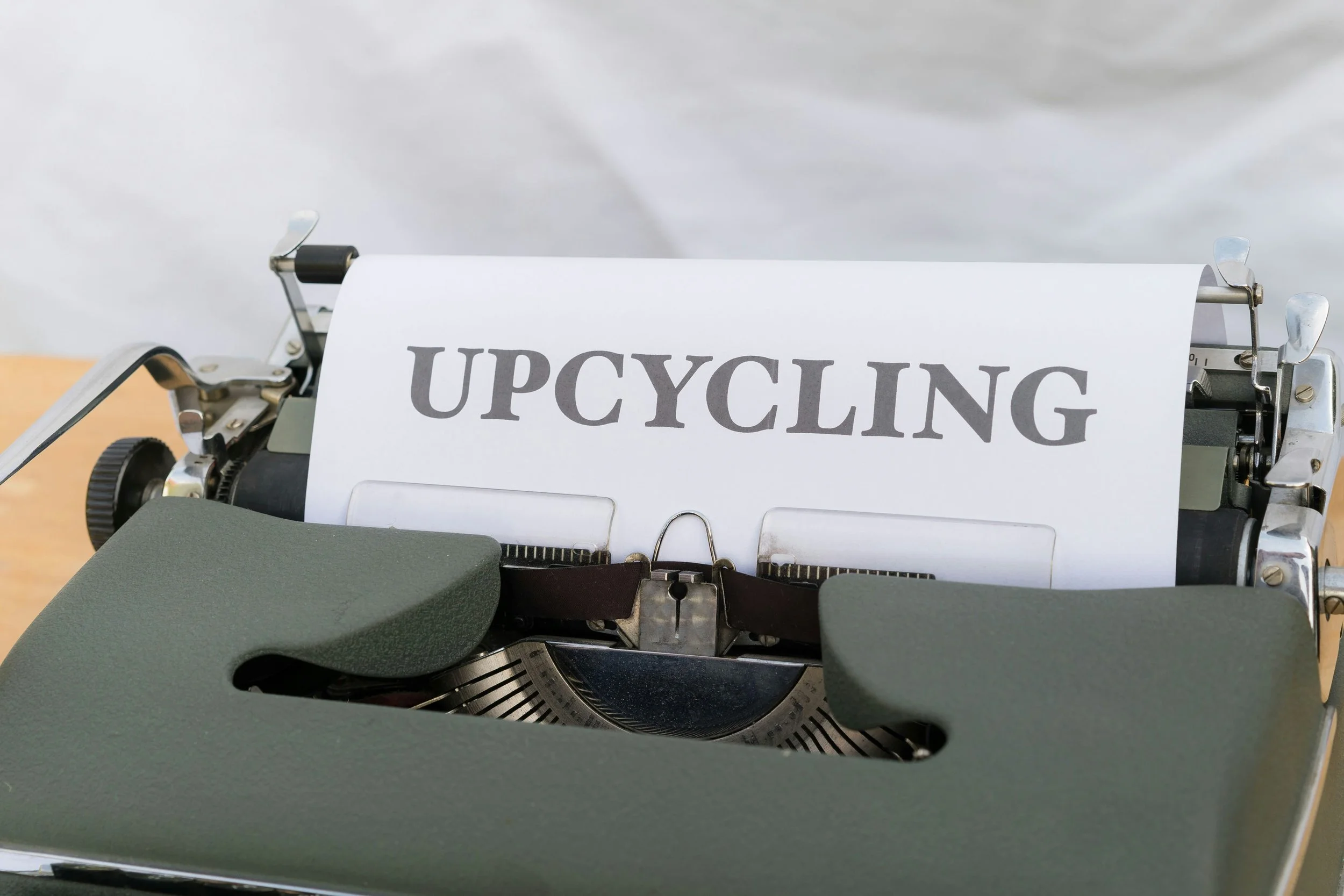
Photo by Markus Winkler on Unsplash
Ideas for upcycling:
• Turn old t-shirts into reusable shopping bags or cleaning rags.
• Sew fabric scraps into quilts, cushion covers, or patchwork clothing.
• Use denim jeans to make durable aprons or tote bags.
• Embellish or alter garments to refresh their look.
Upcycling is a hands-on way to reduce your environmental footprint and express your creativity, turning waste into something beautiful and functional.
Before you create a mountain of clothing to upcycle, consider whether you have the time and motivation to use them! Be realistic, especially if you are new to upcycling. Start with an easy project from an online tutorial and build from there.
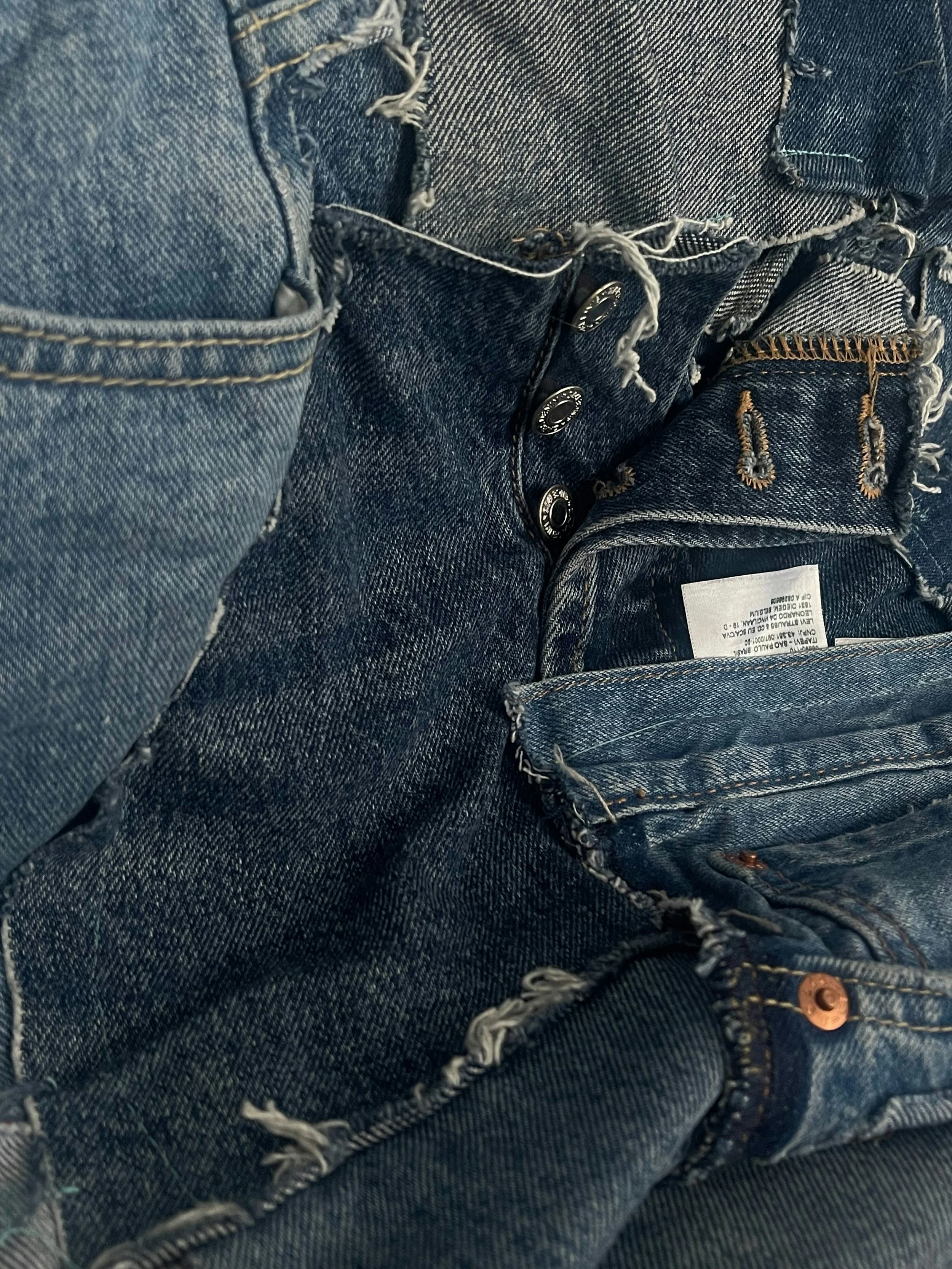
Photo by Lolita Timoshek on Unsplash
5. Recycling via Local Textile Banks
When clothing is too worn, stained, or damaged to sell, donate, or upcycle, textile recycling is the next best option before landfill. Many cities have textile recycling banks where you can drop off unusable clothing.
These textiles are processed to recover fibres for industrial uses such as insulation, wiping cloths, or even new fabrics. Recycling helps close the loop in the fashion lifecycle by diverting waste from landfill and reducing the need for virgin materials.
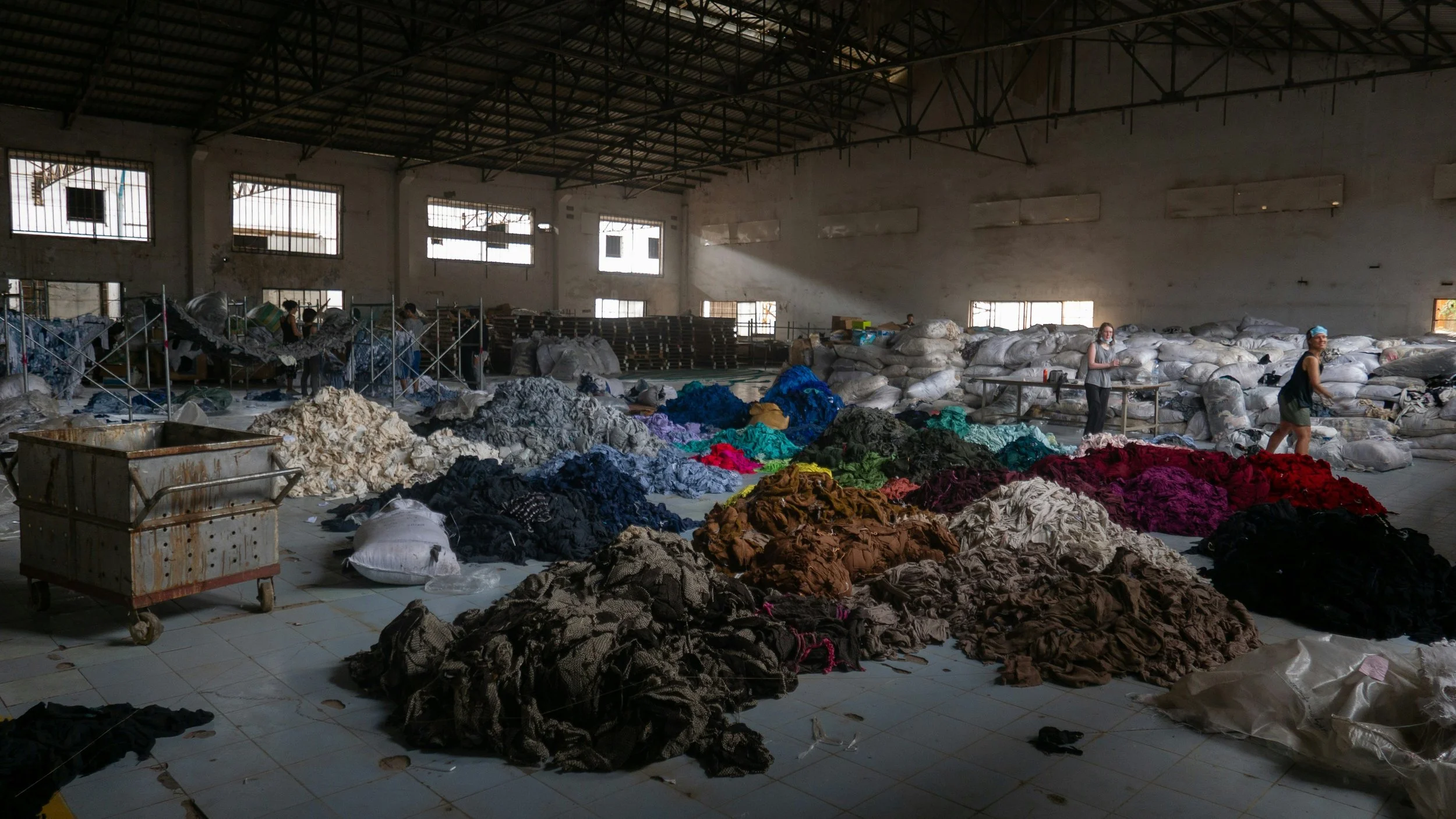
Photo by Markus Winkler on Unsplash
Quick Reference
• Sell if clothes are in excellent condition and have resale value.
• Donate wearable items to charity shops or local organizations.
• Return clothes to retailers with circular take-back programs.
• Upcycle damaged or outdated clothes into new creations.
• Recycle textiles that can no longer be used or repurpose
We hope we’ve made it easier for you to decide what to do with your unwanted clothing. Let us know how you get on!
Photo by Tanya Barrow on Unsplash