How to Journal

Photo by Sixteen Miles Out on Unsplash
Journalling has become increasingly popular in recent years. And with good reason. It’s a free, simple, effective tool for connecting with yourself, developing self-awareness and improving your wellbeing and personal growth. To name a few of its benefits.
It’s a million miles from social media, and perhaps that’s one of the keys to its popularity. It’s a safe private, space where you can be 100% authentic.

Photo by Prophsee Journals on Unsplash
In this guide, we look at how journalling can help us and how to get started.
Why It’s Good to Journal
Journalling can boost mental clarity and emotional health. Writing things down captures your thoughts and helps order them. It also helps you to process emotions, reducing stress and anxiety. Research backs up its wellbeing benefits.
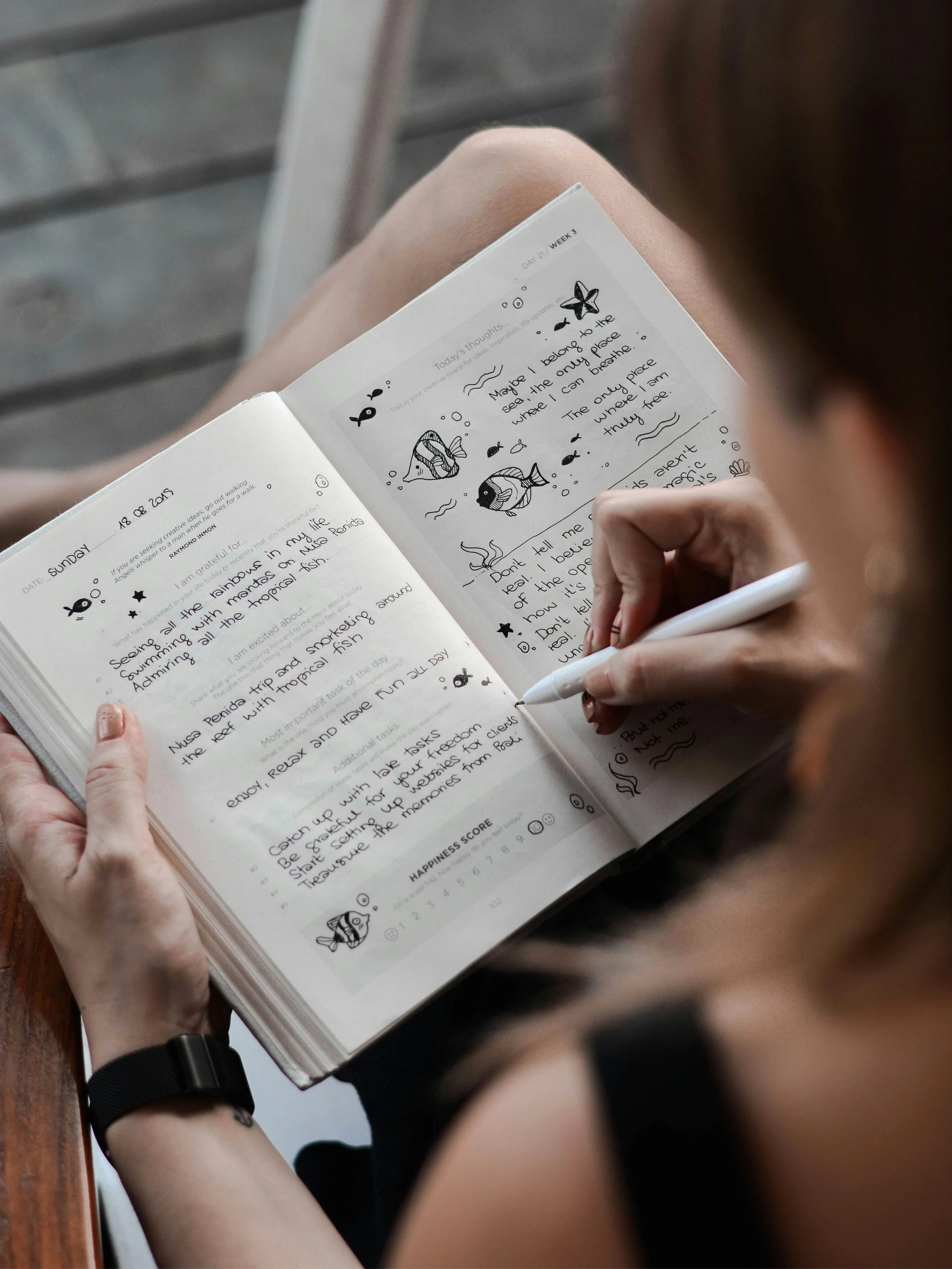
Photo by Prophsee Journals on Unsplash
Journalling can act like a mirror reflecting your inner world and building self-awareness. This can lead to better decision-making and a deeper understanding of your values and goals.

Photo by Estée Janssens on Unsplash
It’s a process that can spark creativity, by freeing your mind from judgment and perfectionism. Many writers, artists, and innovators use journalling to nurture their creative process and find solutions to challenges.

Writing regularly improves your ability to articulate thoughts clearly. It also reinforces memory by engaging your brain in active reflection. Over time, journalling can enhance your writing skills and boost your confidence in expressing yourself.

Photo by Finde Zukunft on Unsplash
How to Journal: A Simple, Sustainable Approach
Starting a journalling practice doesn’t require special skills or a lot of time. The key is to make it meaningful and enjoyable for you. Here’s a step-by-step guide to help you begin:

Photo by Happy & Spice on Unsplash
1. Choose Your Medium
Decide whether you prefer a traditional notebook, a digital app, or a combination. Some people love the tactile feel of pen and paper, which can deepen the connection to the process. Others find digital tools convenient and portable. Experiment. Pick what feels right for you.

Photo by Punta y pincel Brushlettering on Unsplash
2. Set a Comfortable Routine
You don’t need to journal for hours. Even 5-10 minutes a day can make a difference. Choose a time that fits your lifestyle—morning to set intentions, evening to reflect, or any moment when you feel inspired. Consistency helps build the habit, but flexibility keeps it joyful.

Photo by Toa Heftiba on Unsplash
3. Start with Simple Prompts
If you’re unsure what to write, prompts can guide you. Here are a few to try:
What am I grateful for today?
How am I feeling right now?
What challenges did I face, and what did I learn?
What are my goals for this week/month?
Describe a moment that made me happy recently.
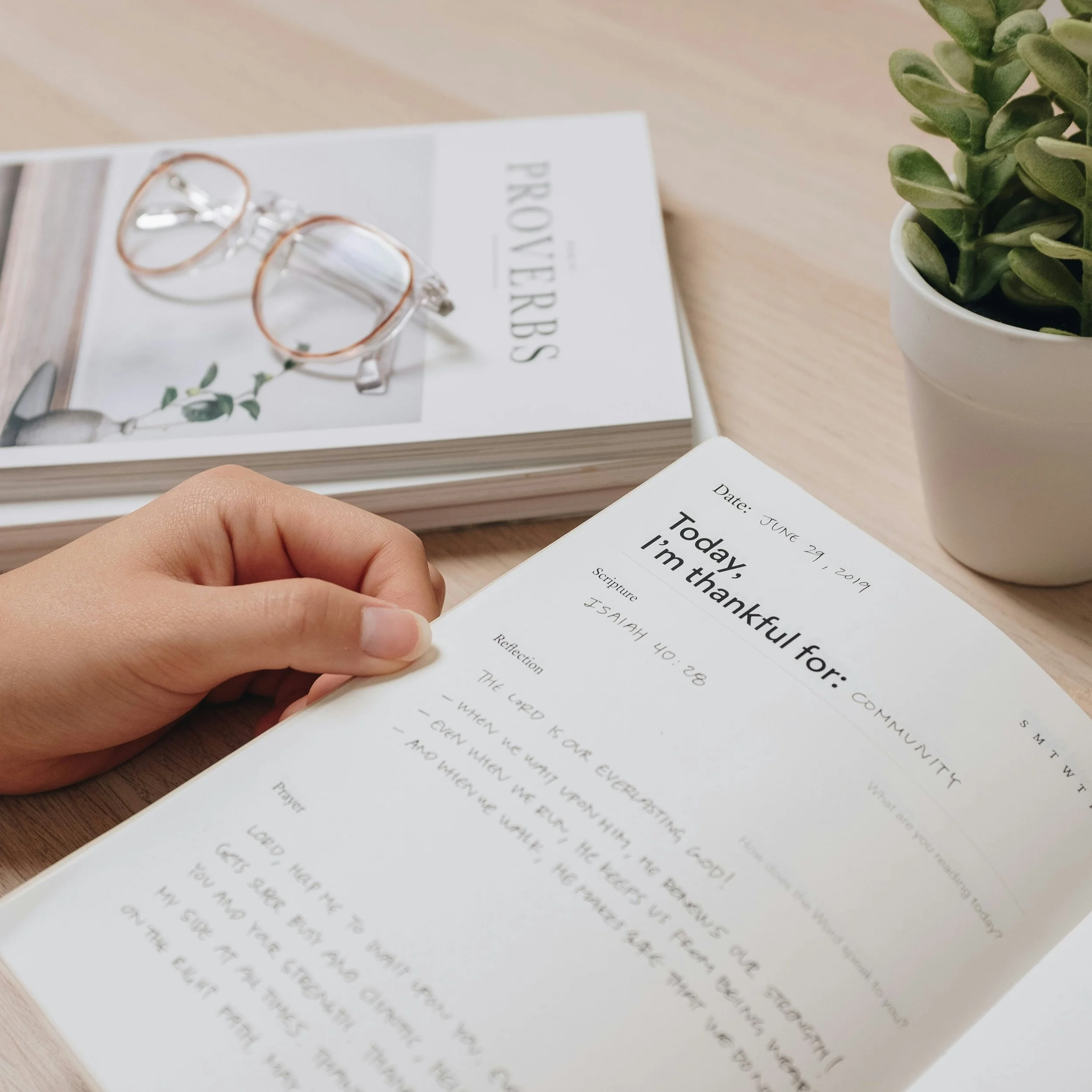
Photo by Hello Revival on Unsplash
These prompts can open doors to deeper reflection and keep your journalling focused. If you find the process becomes stale, search online for some new prompts to inject some energy and interest.

Photo by pure julia on Unsplash
4. Be Honest and Kind to Yourself
Your journal is a private space—there’s no need to censor or judge your thoughts. Write honestly, but also with compassion. If you’re struggling, acknowledge it without harshness. Treat your journal as a supportive friend.

Photo by Prophsee Journals on Unsplash
5. Experiment with Different Styles
Journalling doesn’t have to be just writing. You can include doodles, drawings, mind maps, stickers, postcards or lists. Mixing styles keeps the practice fresh and taps into different parts of your creativity.
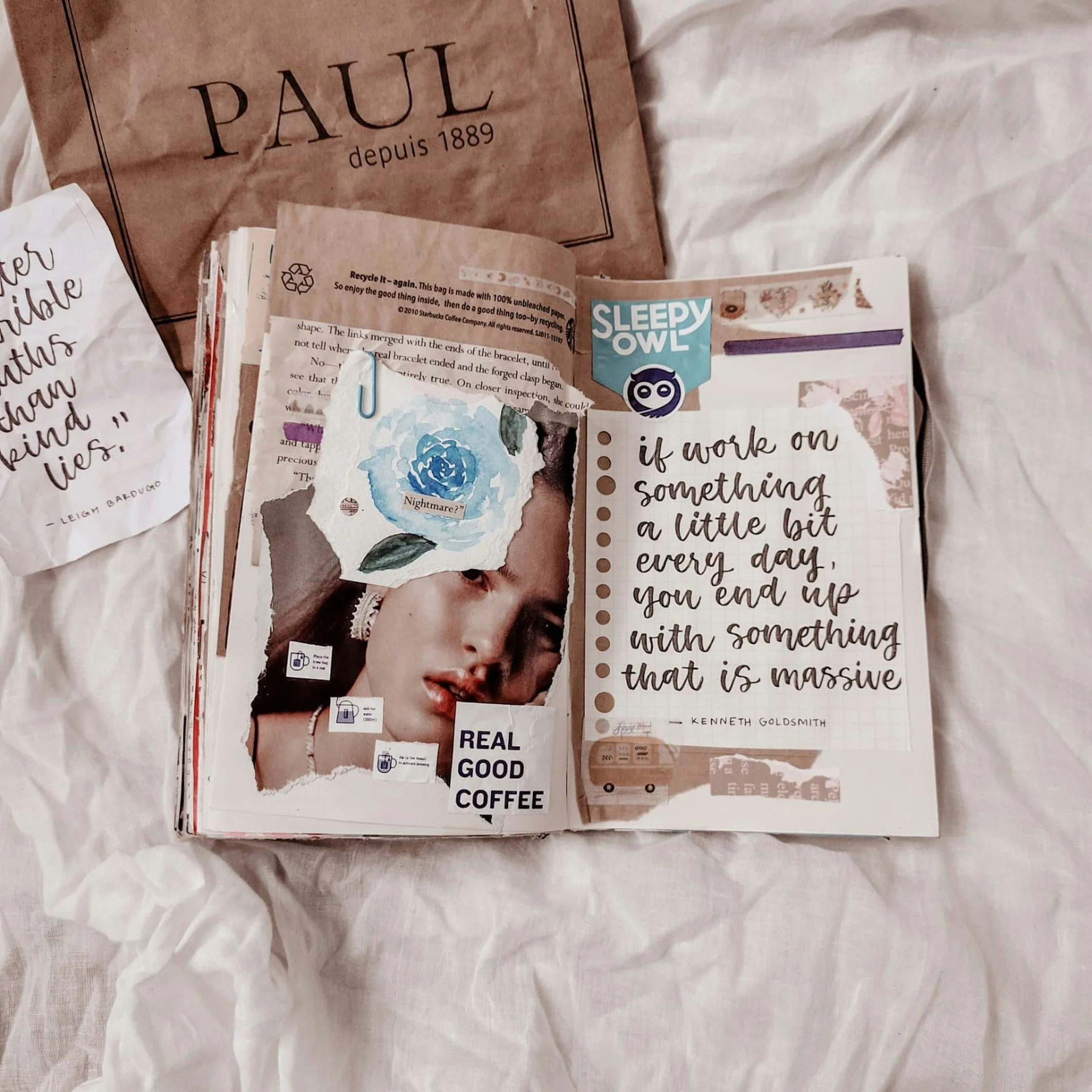
Photo by Shifa Sarguru on Unsplash
6. Review and Reflect Periodically
Every few weeks, take time to read back through your entries. Notice any shifts in your thinking, recurring themes, or achievements. This reflection can reinforce your growth and inspire new insights.

Photo by Jessica Mangano on Unsplash
Sustainable Tips for Long-Term journalling
Keep your journal accessible: Having it nearby makes it easier to write spontaneously.
Store it somewhere secure: it’s important to know that your writing won’t be read by anyone else.
Celebrate small wins: Acknowledge your commitment to journalling as a form of self-care.
Don’t aim for perfection: It’s about progress, not polished prose.
Use journalling as a tool, not a chore: If you miss a day, gently return without guilt.
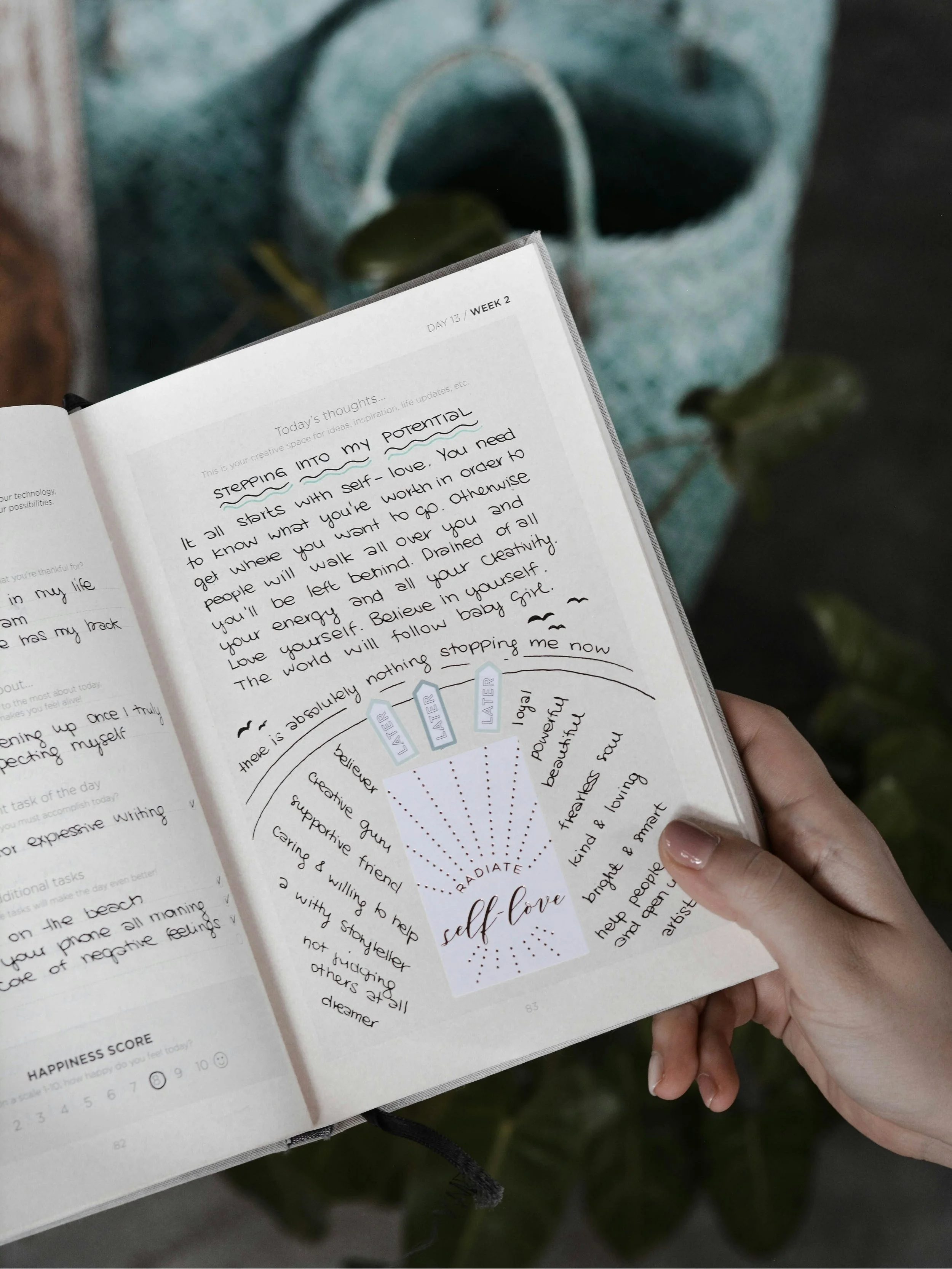
Photo by Prophsee Journals on Unsplash
In essence, journalling is a gift you give yourself—a practice that nurtures your mind, heart, and soul. By starting simple and staying curious, you can unlock the transformative power of this ancient yet ever-relevant habit. So grab a pen, open a page, and begin your journey inward. Your future self will thank you. 🌿✨
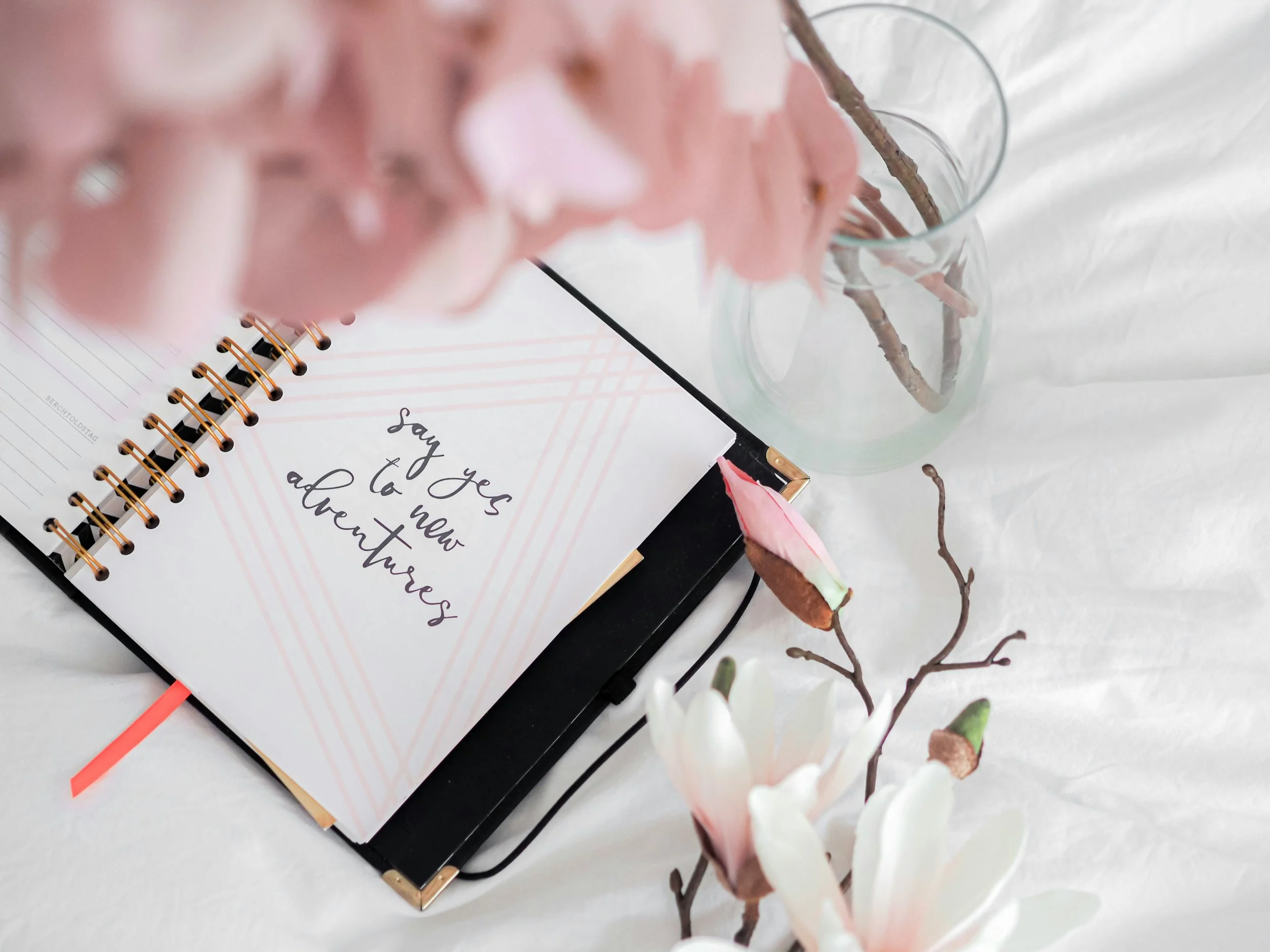
Photo by Laura Chouette on Unsplash