How to source the best High-Quality Second-Hand Clothes
The secondhand clothing market has changed a lot over the last few years. Our high street charity shops and apps are overflowing with pre-owned fast fashion leftovers.
Spotting a familiar brand isn’t the goldmine it once was, especially when even high-street labels charge premium prices for poorly made polyester pieces.
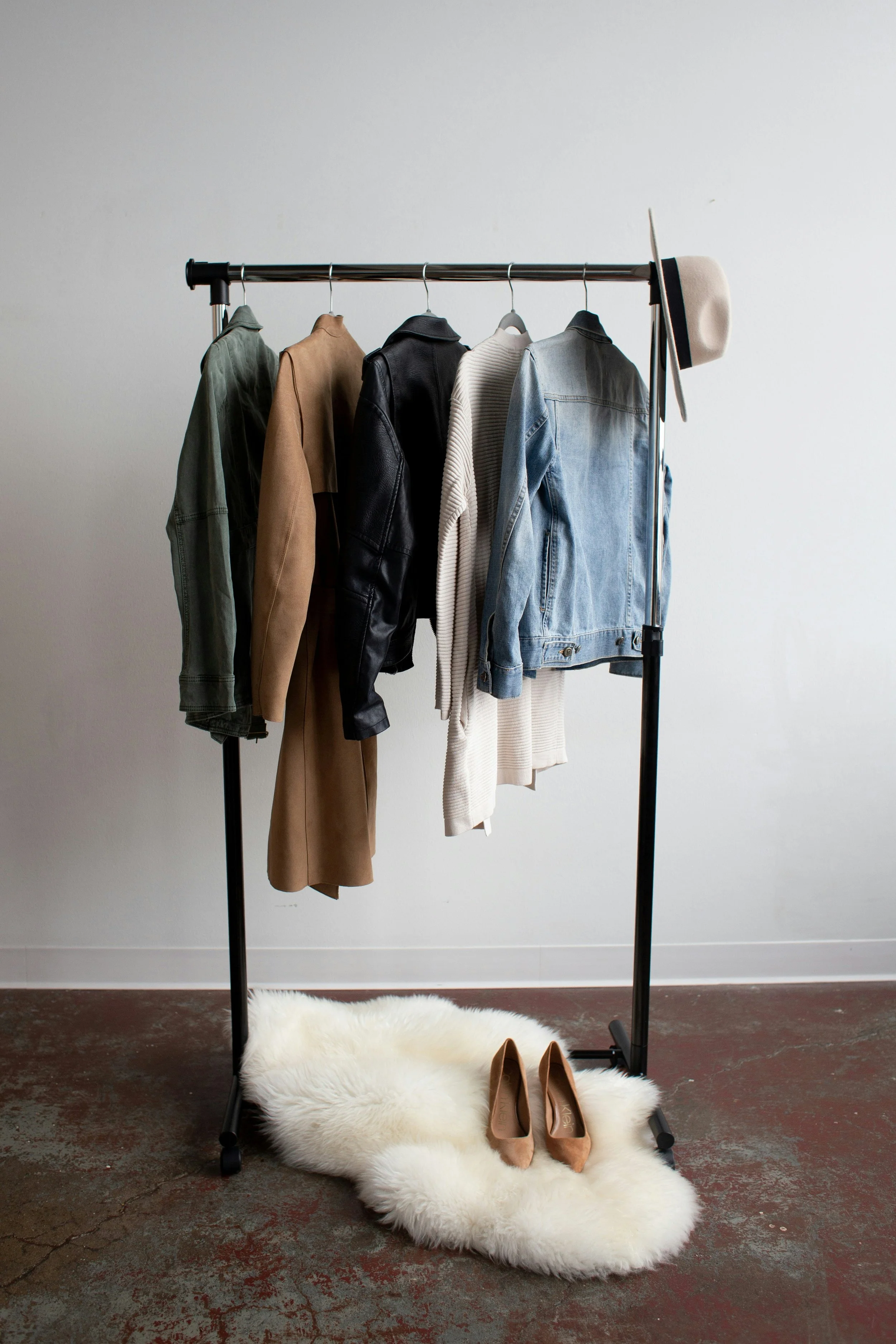
Photo by Amanda Vick on Unsplash
You know the basics of thrifting—filtering by size and spotting bargains. But building a truly sustainable wardrobe means digging deeper. Quality isn’t about the label on the collar; it’s about the fabric composition tag, the weight of the zip, and the density of the weave.
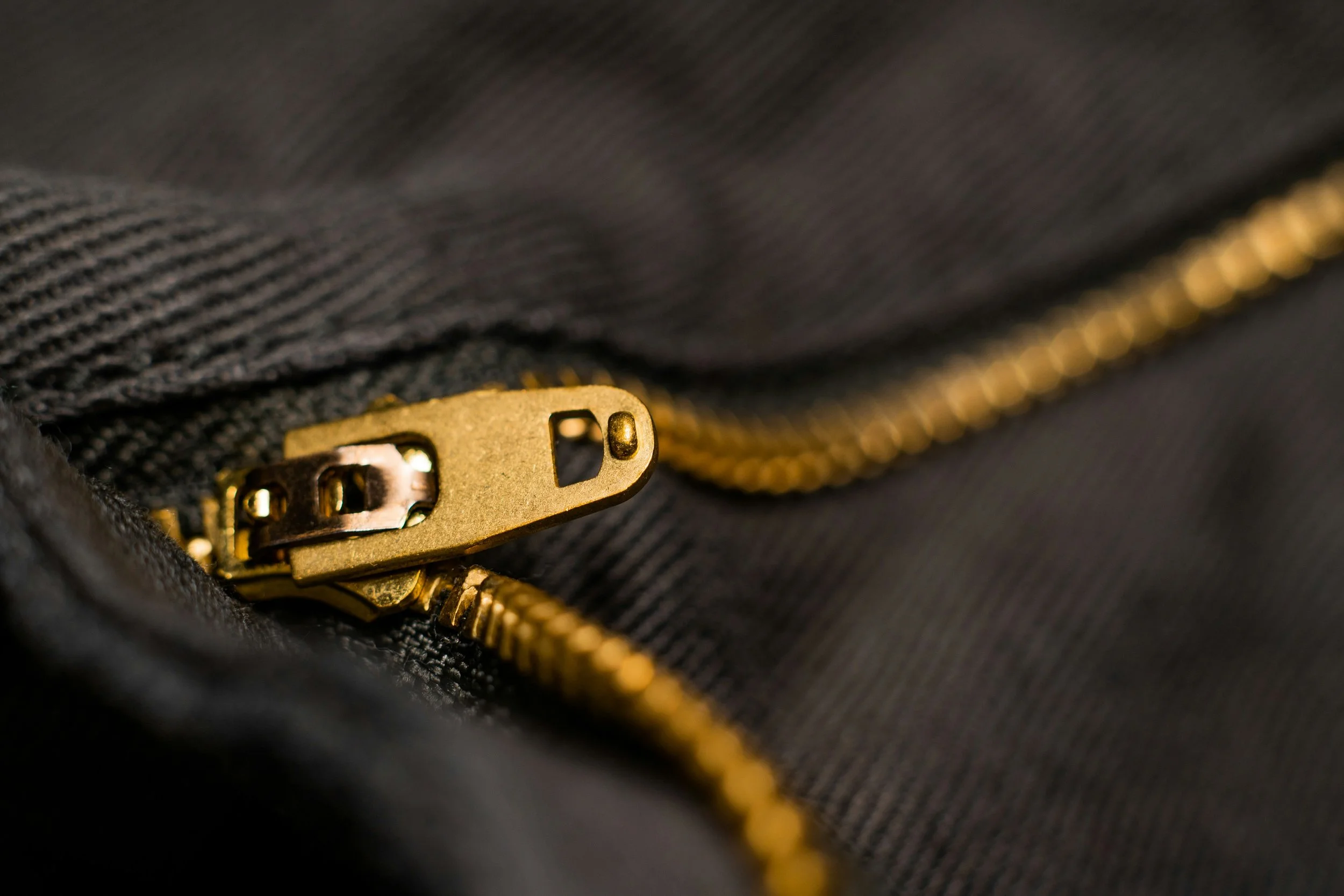
Photo by Marcus Urbenz on Unsplash
Whether you’re browsing Oxfam Superstore rails or scrolling Vinted UK at midnight, this guide will help you cut through the noise. Learn the tactile and digital filters to see past the brand, avoid synthetic flimsiness, and find pieces built to last.
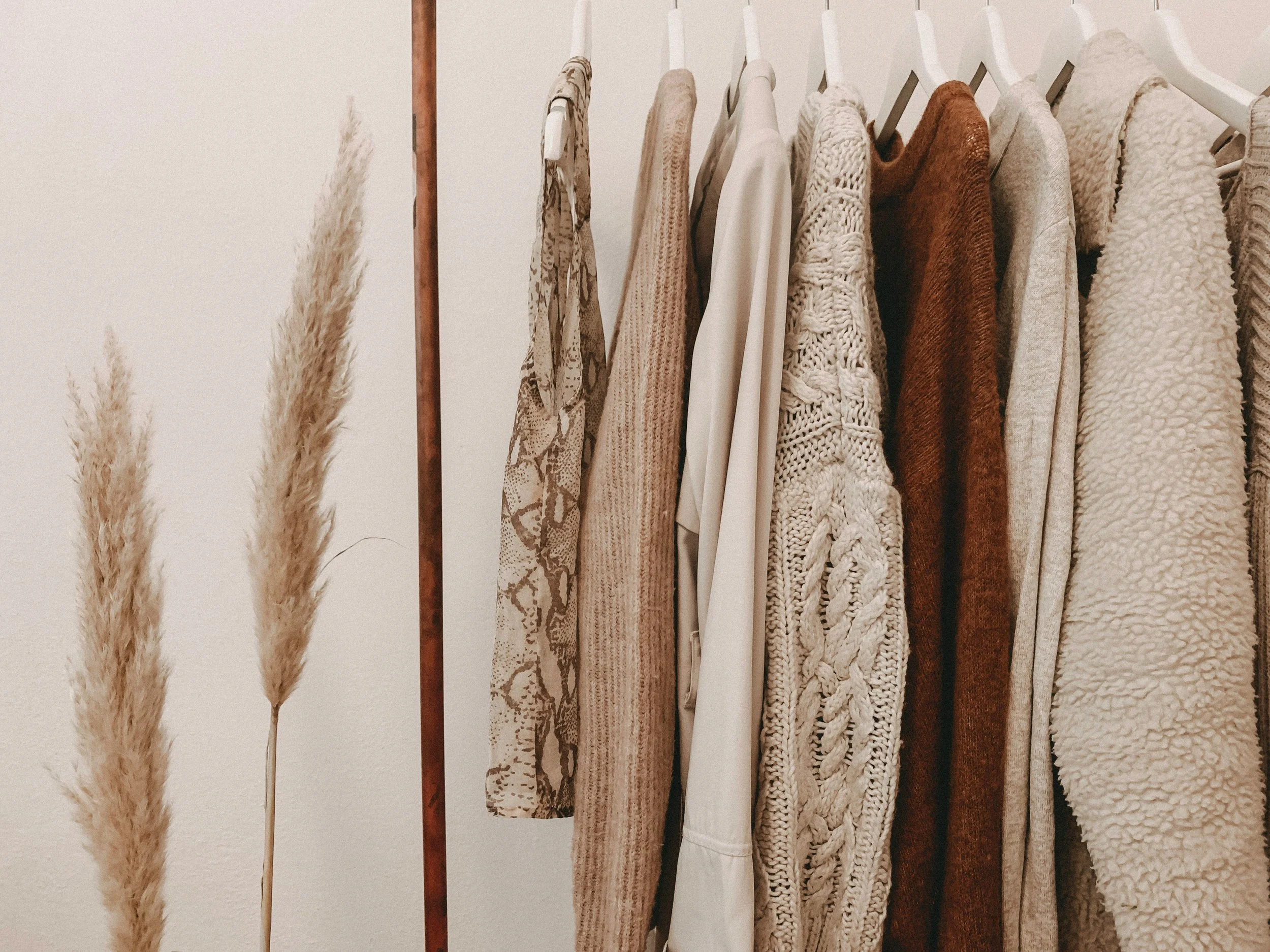
Photo by Alyssa Strohmann on Unsplash
1. In the Rails: Sourcing Quality in UK Charity Shops
The High-Street Contrast: British charity shops are flooded with modern fast fashion from brands like ASOS or Primark. To find the good stuff, look past them to hunt for older British heritage or high street names from past decades when standards were higher, such as Marks & Spencer's vintage St Michael line, Hobbs, or Jaeger.

Photo by Farshad Sheikhzadeh on Unsplash
Sustainable Gold: Look for pre-loved items by current sustainable brands that produce high quality clothing. Think Rapanui, Finisterre, Lucy & Yak, Beaumont Organic and People Tree.
The Fabric Touch Test: Skip the flimsy polyester and acrylic. Feel for heavy-gauge British wools, traditional waxed cottons, or robust 100% cotton cords. Do the "scrunch test"—squeeze a fistful of the fabric; cheap synthetics bounce straight back with a static hiss or hold a harsh wrinkle, while quality natural fibers recover or drape smoothly.
Seams and Inner Construction: Turn garments inside out. Look for neat overlocking or French seams. On tailored jackets, pinch the collar and lapel: if you feel a distinct floating layer of interfacing rather than a stiff, glued-down cardboard feel, it has been traditionally tailored and will hold its shape for decades.
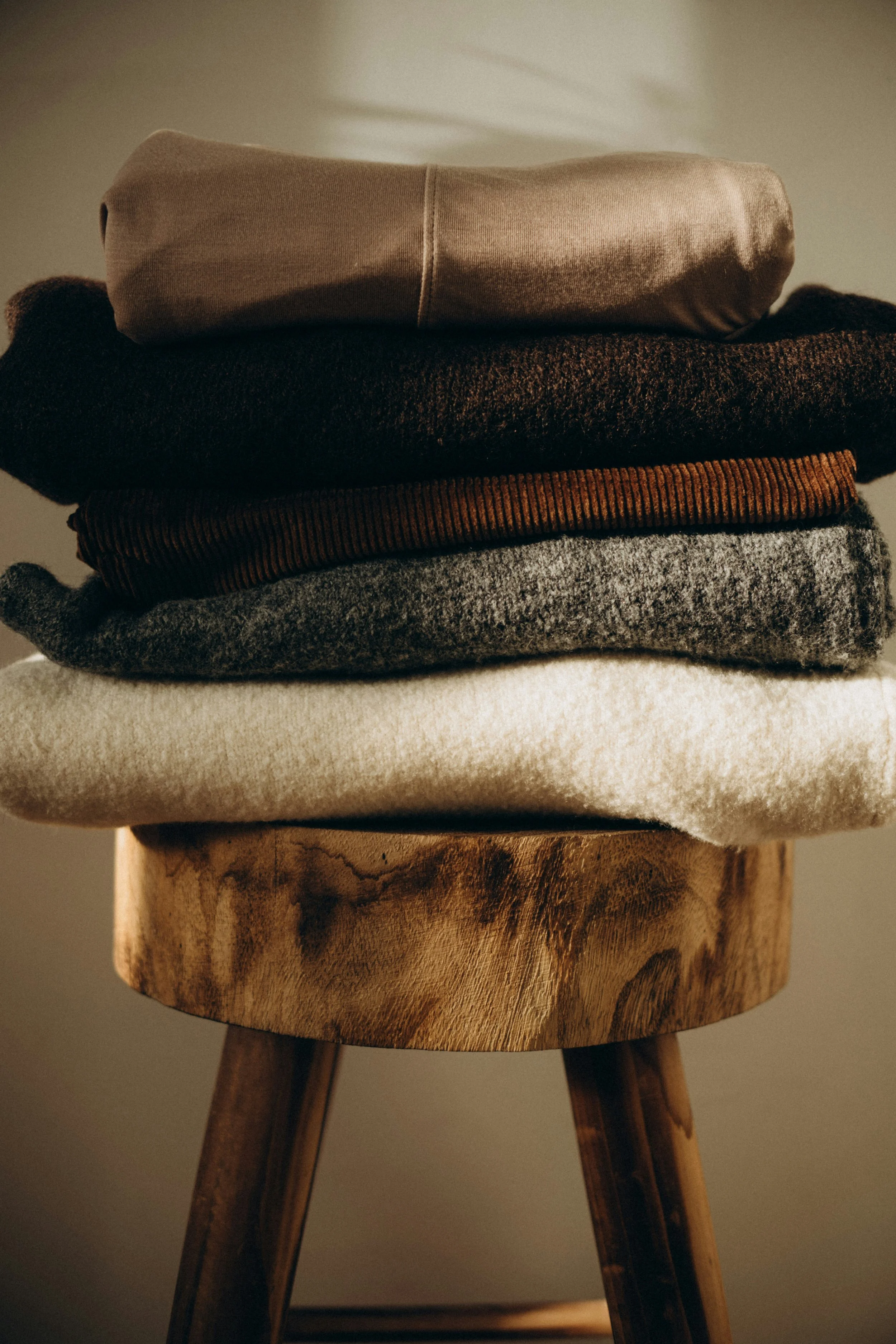
Photo by Katya Azimova on Unsplash
2. On the Screen: Navigating Vinted & Depop
Mastering Vinted’s Filters: On Vinted UK, buyers often under-categorize materials. Use keyword searches like "100% wool", "pure linen", or "real leather" rather than brand names. Because Vinted relies heavily on catalog photos, train your eyes to read the interior label photo which smart sellers include. If the fabric tag is missing from the carousel, use Vinted’s built-in chat feature to message: "Hi, could you please upload a photo of the care/composition label inside the side seam?"

Photo by kevin laminto on Unsplash
Decoding Depop Listings: Depop skews heavily toward Y2K aesthetics and trendy reseller curation. Sellers frequently use buzzwords like "rare" or "vintage." Do not let trendy styling fool you. Ask the seller for flat measurements (pit-to-pit, waist, length) rather than relying on a vintage size label (remember that a UK size 12 from the 1980s fits closer to a modern UK 8). Check if the seller explicitly states how the item has been laundered or note if there is any underarm yellowing on vintage white cottons.

Photo by Philipp Arlt on Unsplash
Assessing Seller Profiles: On both apps, look at reviews that mention accurate descriptions. A seller who actively photographs flaws, loose threads, or small marks is transparent and values the item's true state, reducing the risk of buying a synthetic dud.
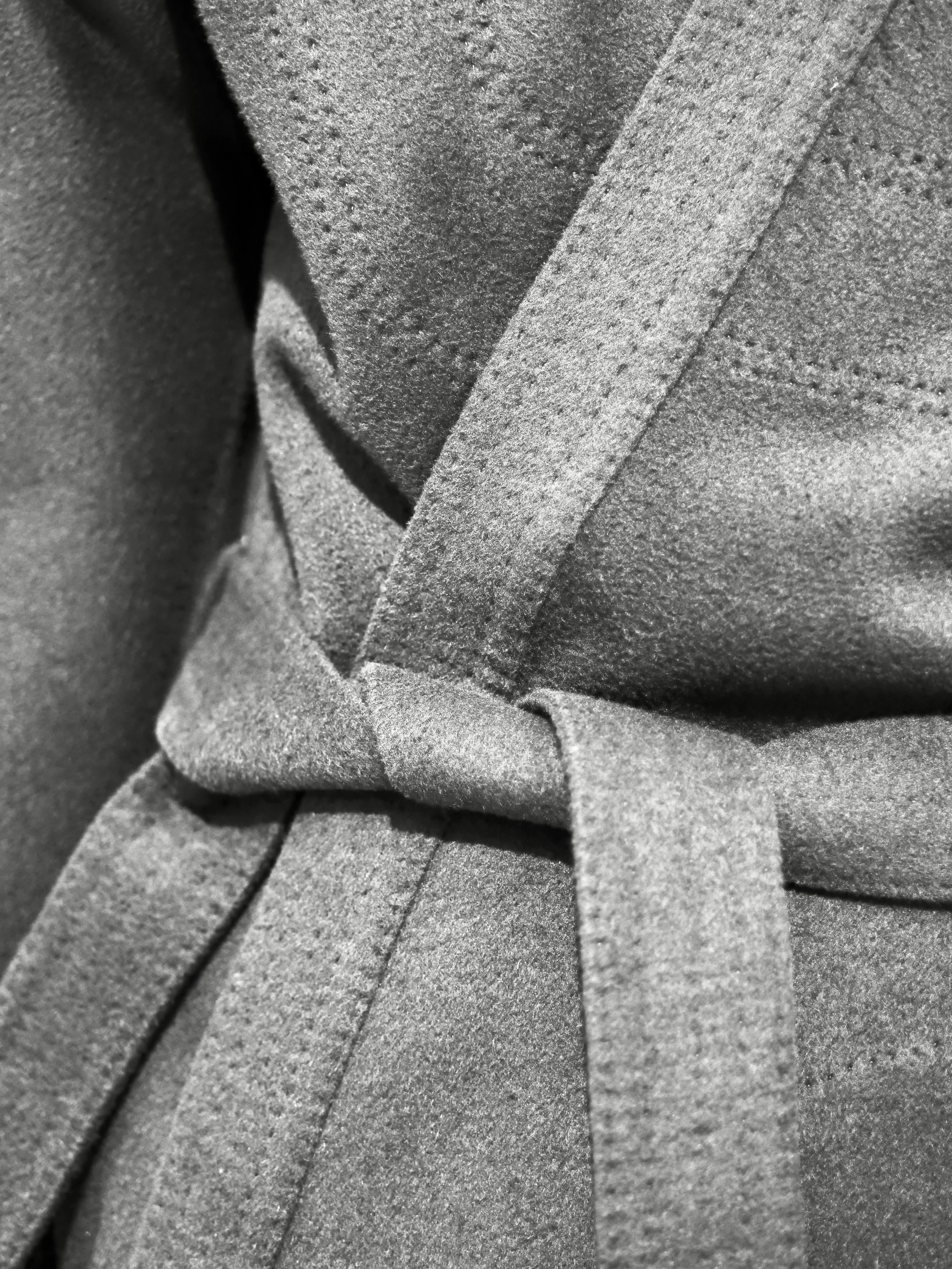
Photo by Sebastian Schuster on Unsplash
3. Quick UK Material & Brand Cheat Sheet
Better Vintage UK Brands: Look out for older Laura Ashley (made in Great Britain tags), Aquascutum, or early Barbour jackets which can easily be rewaxed.
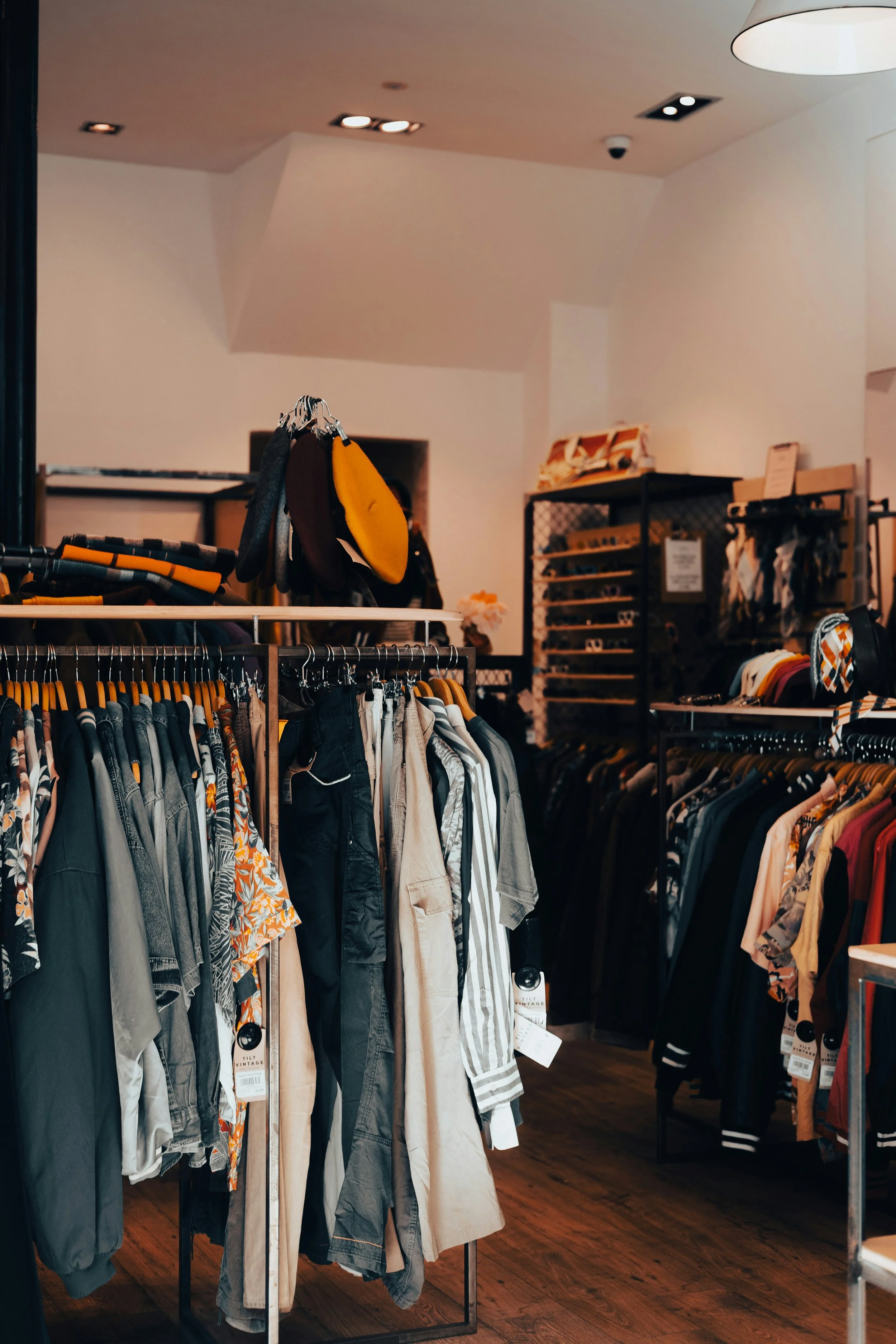
Photo by Mirza Polat on Unsplash
Fabrics to Target: Pure wool, silk, linen, heavy cotton twill, and viscose/cupro linings (avoid polyester linings that trap sweat).
Red Flags: Unbranded light plastic zippers, single-stitched hems on heavy garments, and missing composition tags coupled with vague descriptions like "feels like silk."

Photo by Onur Senay on Unsplash
Conclusion
While there are a lot of cheaply made garments in charity shops and online secondhand platforms, a few checks can help uncover clothing treasure. With a bit of patience and attention to detail, you can find clothing bargains that are truly great quality. Good for you, your pocket and the planet!

Photo by Chyntia Juls on Unsplash