Preparing for a new baby is an exciting time, but it can also feel overwhelming—especially when you’re trying to make eco-friendly choices. The good news? You can build a sustainable nursery and wardrobe without breaking the bank or compromising on quality. This guide will help you navigate what to buy secondhand, what to purchase new and where to shop.
Photo by Anita Austvika on Unsplash
What to Buy Secondhand
Buying preloved is one of the most sustainable ways to kit out your baby’s arrival. It reduces waste, saves money, and often means higher-quality items (since babies outgrow things so quickly). Here’s what you can confidently source secondhand:
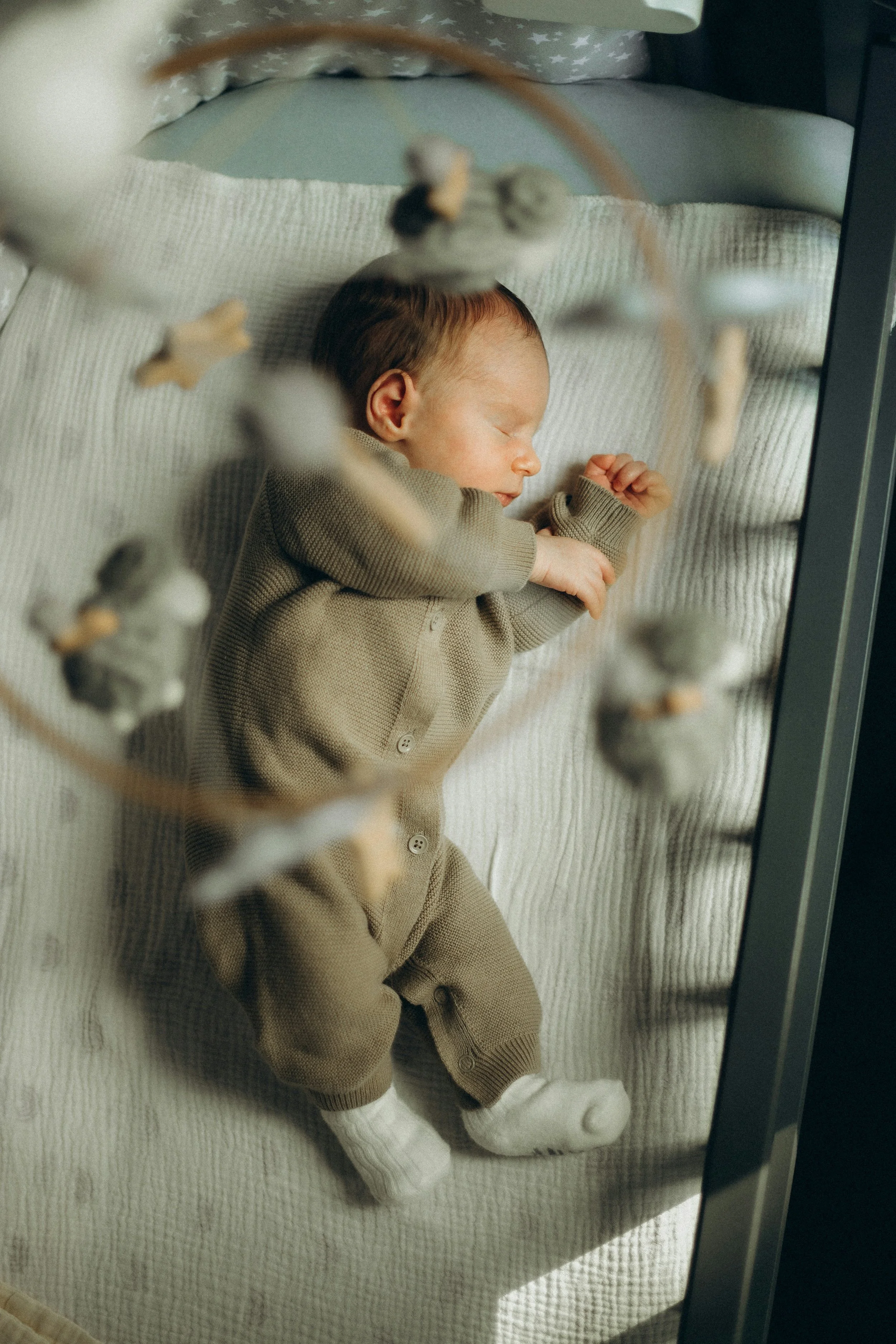
Photo by Ana Curcan on Unsplash
1. Clothing
Why is secondhand a good option? Babies grow so fast that many items are barely worn before being outgrown.
What to look for: Organic cotton, bamboo, or gently used synthetic fabrics. Avoid anything with stains, tears, or worn elastic.
Where to shop:
Vinted – One of the best platforms for affordable, secondhand baby clothes.
eBay – Search for “baby clothes bundle” to save even more.
Facebook Marketplace – Great for local bargains and even free items.
Charity shops – Oxfam, British Heart Foundation, and local hospices often have baby sections.
WhatsApp or local parent groups – Many parents sell or give away baby clothes for free.
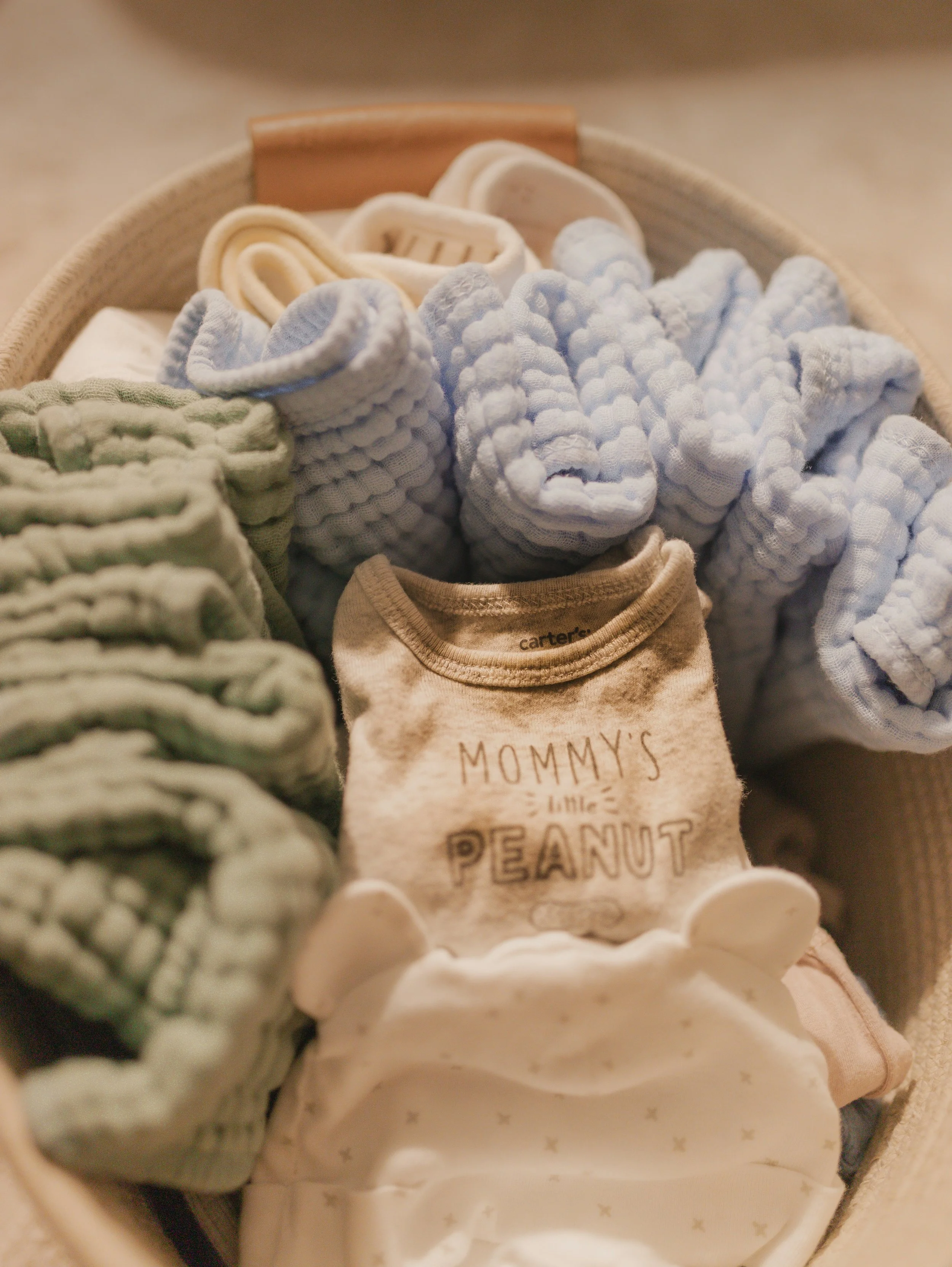
Photo by CARMELA LUSTRE on Unsplash
2. Nursery Furniture
Why is secondhand a good option? Solid wood furniture is durable and can last for generations.
What to look for: Cribs, dressers, changing tables, and rocking chairs in good condition (no splinters, stable structure, and non-toxic finishes).
Where to shop:
Gumtree – A go-to for secondhand furniture.
Facebook Marketplace – Often has free or low-cost items.
Freecycle – A network where people give away unwanted items for free.
Etsy (for upcycled furniture) – Some sellers restore vintage pieces with non-toxic paints.
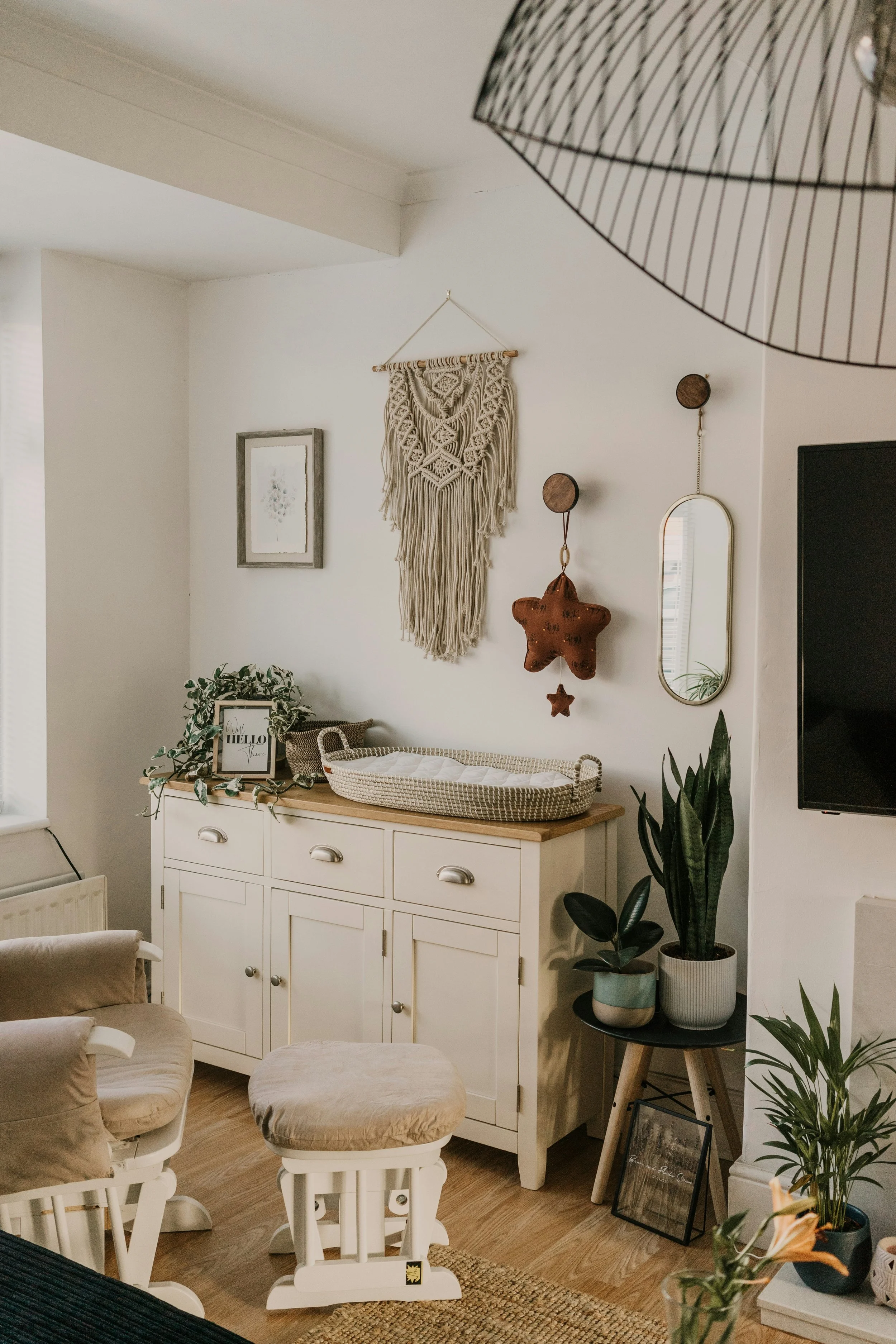
Photo by Toa Heftiba on Unsplash
3. Toys
Why is second hand a good option? Babies don’t care if a toy is new—what matters is safety and stimulation.
What to look for: Wooden toys (e.g., stacking rings, rattles) without paint chips or sharp edges. Avoid anything with small parts for babies under 3.
Where to shop:
Charity shops – Often have hidden gems.
eBay or Vinted – Search for “Montessori toys” or “wooden baby toys.”
Local toy libraries – Some communities have lending libraries for toys.
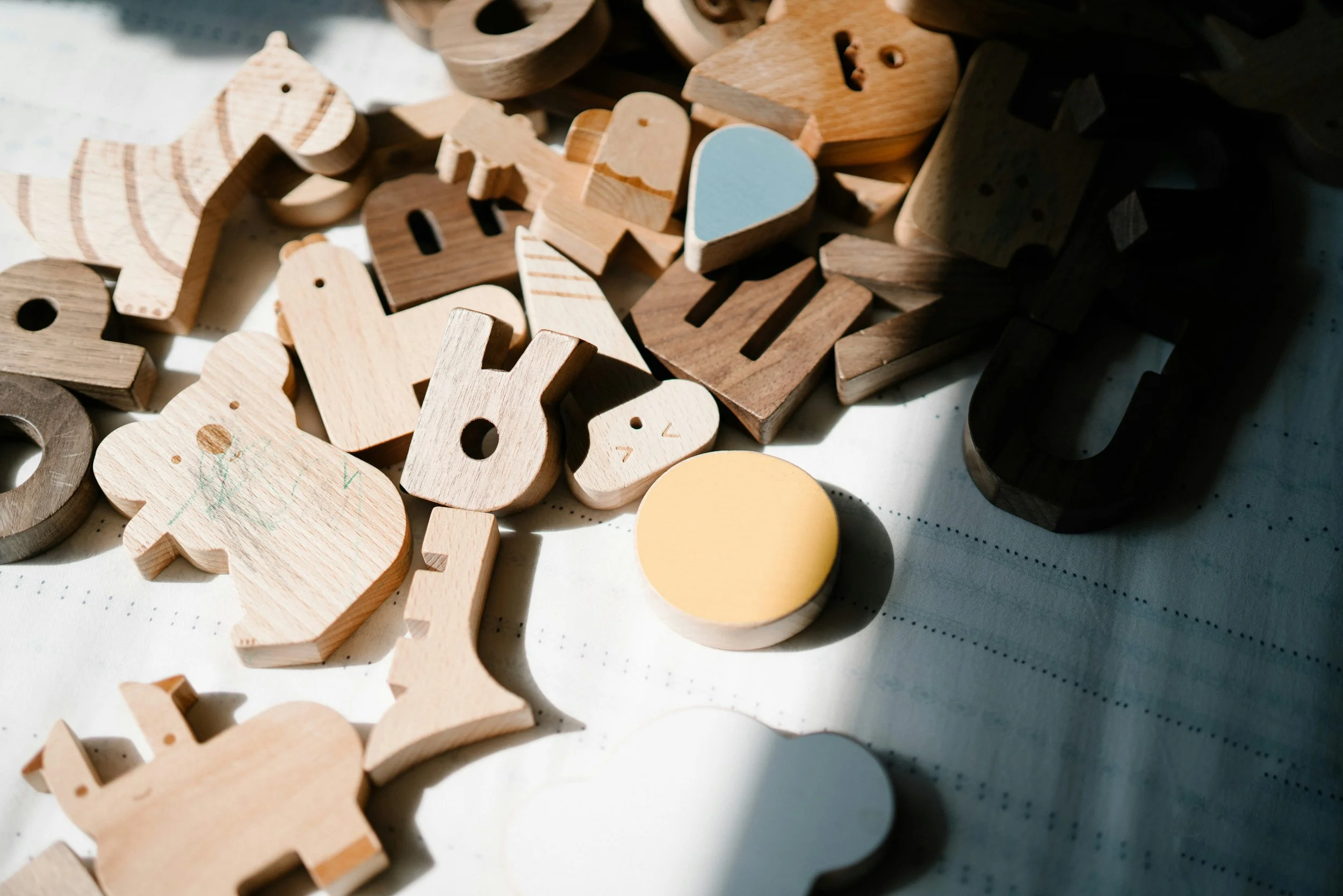
Photo by Tokyo Kohaku on Unsplash
4. Baby Gear
Why second hand is a good option: good quality equipment often has a long life.
What to look for: Strollers, bouncers, baby carriers, and high chairs in excellent condition.
Where to shop:
Specialised platforms like Rekiddle.com
Safety standards matter: Always check for recalls on GOV.UK or the EU RAPEX database.
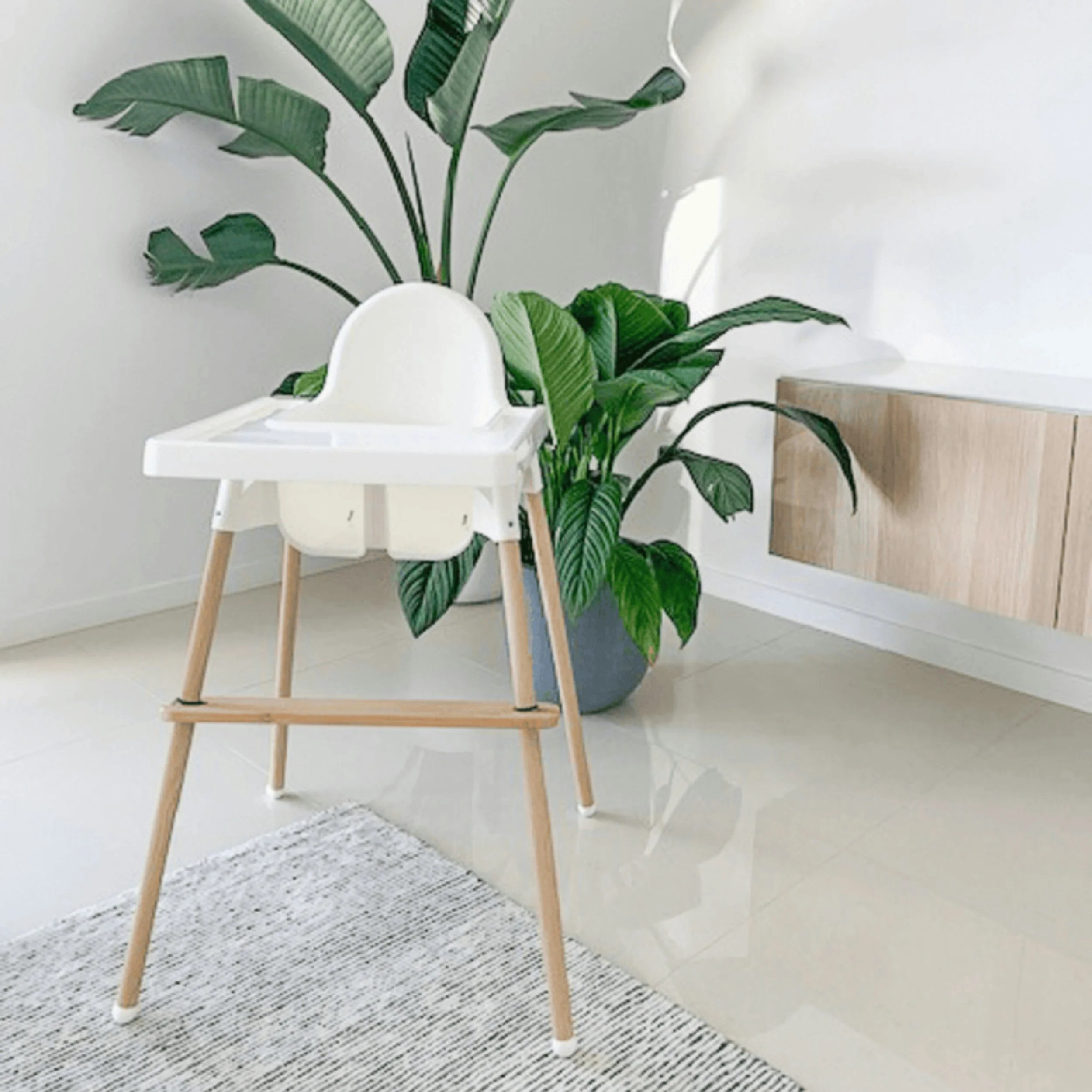
Photo by daniel Patel on Unsplash
5. Cloth Nappies
Why second hand is a good option: Using cloth nappies vastly reduces the landfill-bound waste created by a baby and saves you money. Many parents sell them after their children outgrow them.
What to look for: check that all the parts of the nappy system are included, that there are plenty of photos and no major staining. Bundles usually offer the best value
Where to shop:
Vinted
eBay
Facebook Marketplace
Local parent groups
Photo by Olivia Anne Snyder on Unsplash
What to Buy New
While secondhand is ideal for many items, some things are best purchased new for safety and hygiene reasons. Here’s what to buy new:
1. Mattresses
Why buy new? Used mattresses may harbour dust mites, mould, or bacteria.
What to look for: CertiPUR-US® or OEKO-TEX® certified, firm, and breathable.
Recommended UK brands:
Naturalmat – Organic, natural materials.
Sealy Posturepedic (cotton/natural fibre options) – Widely available.
Photo by Marie Despeyroux on Unsplash
2. Car Seats
Why buy new? Car seats expire, and safety standards evolve. A secondhand seat may be damaged or outdated.
What to look for: Check the expiry date (usually on a sticker on the seat) and ensure it meets UN R129 (i-Size) or UN R44/04 standards.
Where to buy new:
Halfords – Often has sales and bundles.
John Lewis – Known for quality and safety.
Direct from brands like Maxi-Cosi or Britax.
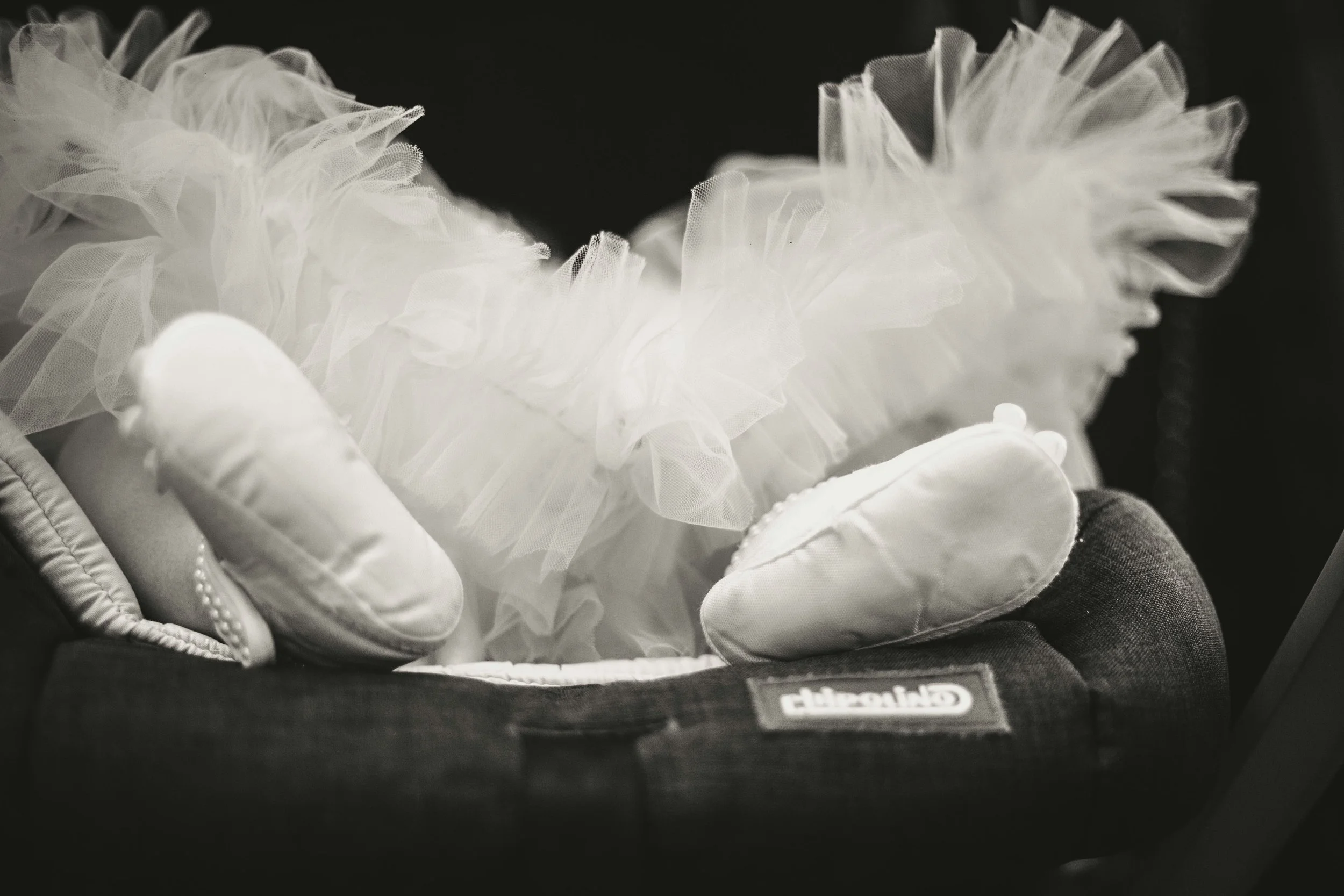
Photo by Bia Octavia on Unsplash
3. Breast Pumps & Bottles
Why buy new? Hygiene is critical. Silicone parts can degrade over time, and pumps have strict hygiene requirements.
What to look for: BPA-free, medical-grade silicone.
Recommended UK brands (came top in a 2026 Mumsnet review):
Medela
Lansinoh
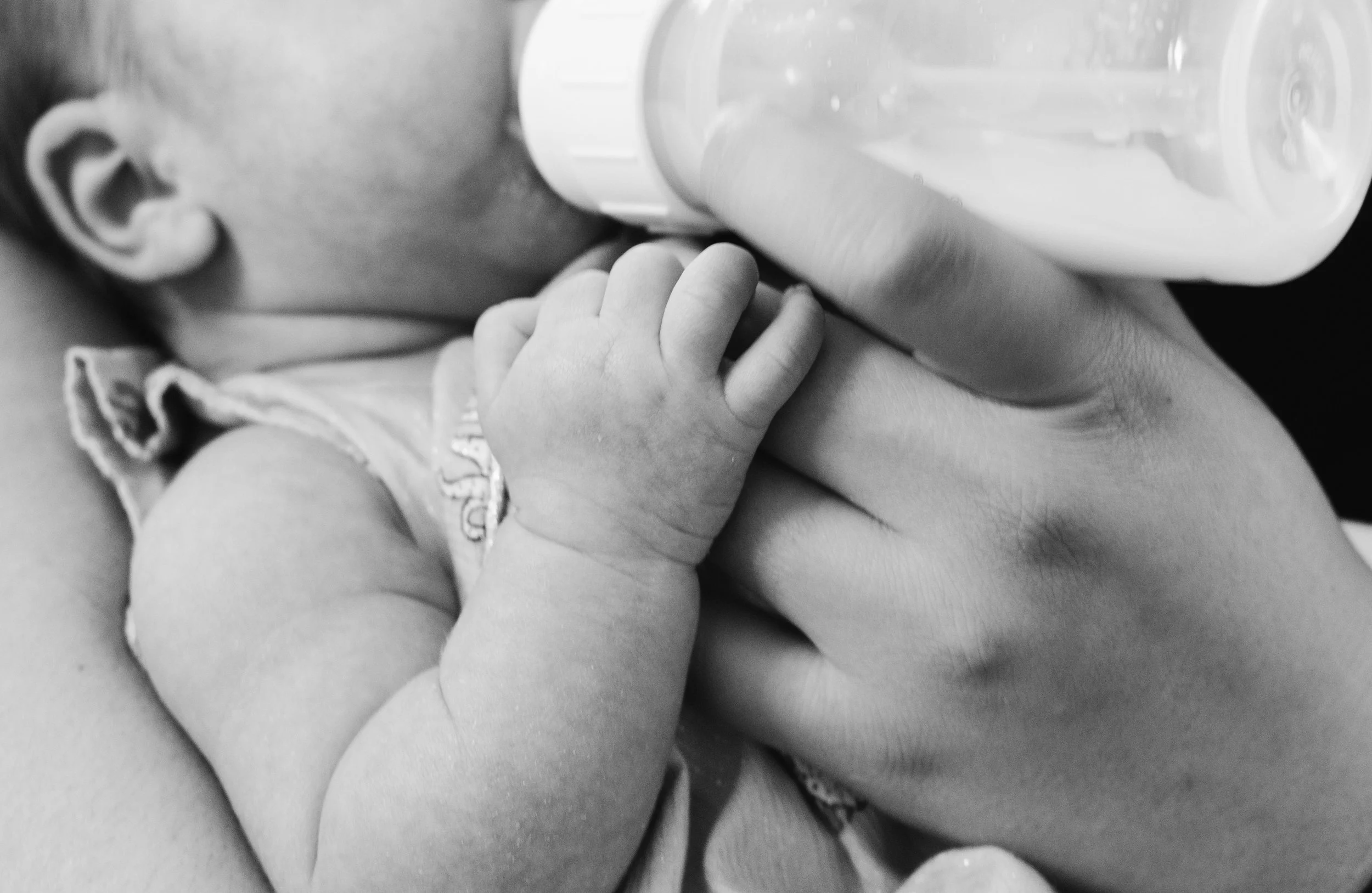
Photo by Kelly Sikkema on Unsplash
4. Pacifiers/ Dummies & Teethers
Why buy new? Silicone can degrade, and hygiene is essential.
What to look for: 100% silicone, free from BPA, phthalates, and latex.
Recommended UK brands:
Philips Avent Soothie
Tommee Tippee Closer to Nature
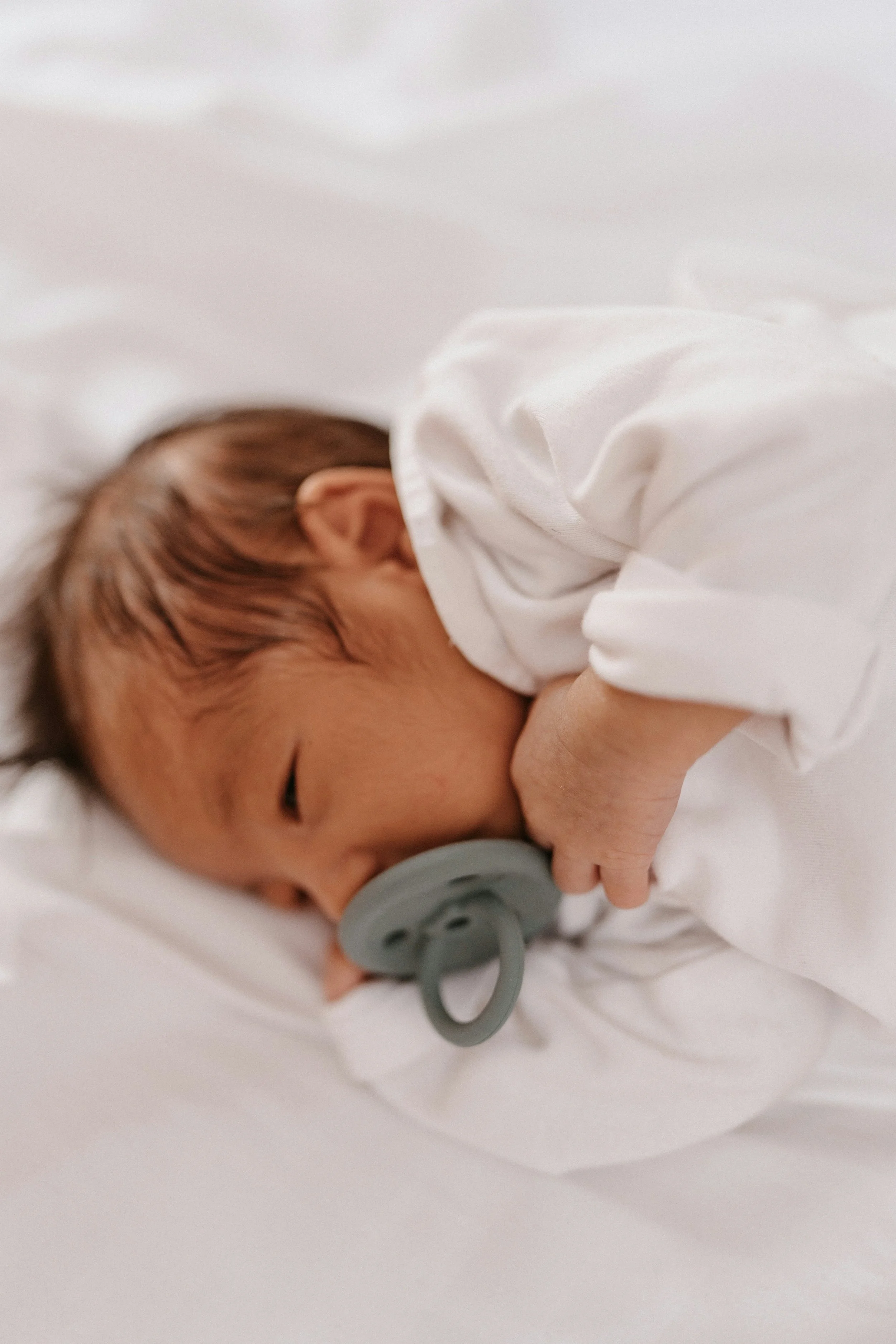
Photo by Masood Aslami on Unsplash
Final Words
New baby kit can be expensive and generate a lot of waste. Knowing what you can buy second hand and what needs to be bought new, can help you reduce your impact on the environment safely and save money. Online preloved platforms and social media make it easier to get what you need.
Photo by charlesdeluvio on Unsplash